

The AI Pivot: Why Bitcoin Miners Are Shifting from Mining to Data Center Infrastructure
13.07.2026 02:33
The Geopolitical Crucible: How US-Iran Tensions Signal a Global Flight to Decentralized Assets
13.07.2026 13:00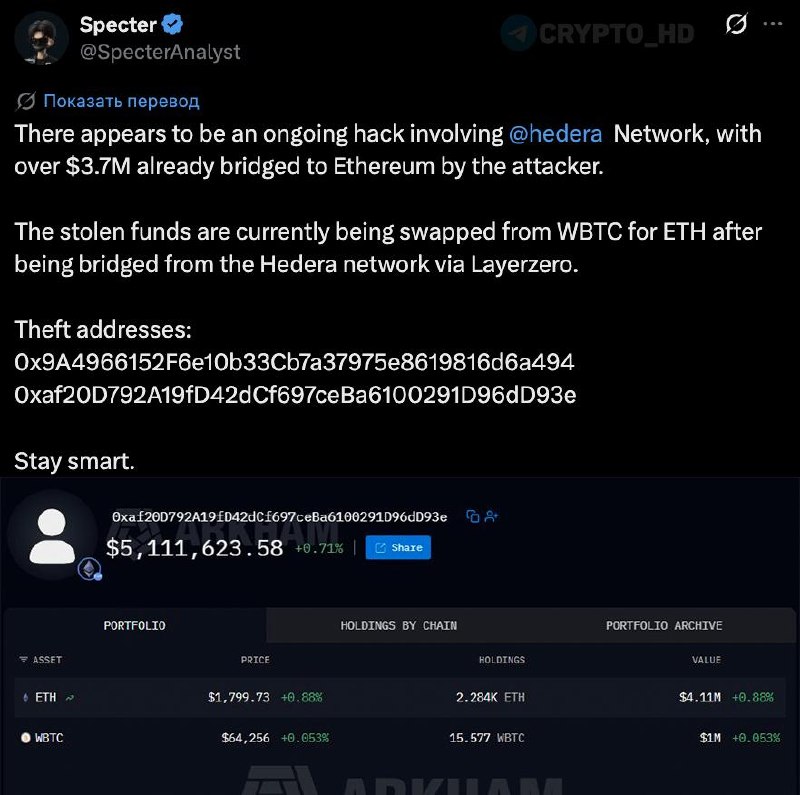
The Bonzo Finance Exploit: A Critical Lesson in DeFi Security and Oracle Risk
The recent, high-profile hack targeting the Bonzo Finance protocol on the Hedera network serves as a stark, urgent warning to every participant in Decentralized Finance (DeFi). With reports indicating losses exceeding $5 million, this incident is not merely a headline; it is a critical case study that exposes systemic vulnerabilities inherent in smart contract design and external data dependencies.
Understanding the Attack: The Oracle Vulnerability
At its core, the Bonzo hack was less about breaking complex cryptography and more about exploiting a weakness in the **oracle mechanism**. An oracle is essentially a trusted third party that feeds real-world data (like asset prices or interest rates) into a smart contract. In this case, attackers found a way to manipulate or trick the oracle feed, causing the protocol to miscalculate collateral values or lending limits. This allowed them to borrow funds far in excess of their actual value—a classic example of an over-leveraged exploit.
The Systemic Risk: Why DeFi Security is Now Macro News
This vulnerability highlights a fundamental truth about modern finance: **trust must be coded, not assumed.** In traditional banking, layers of human oversight and physical security provide checks. In DeFi, the code *is* the law, and if that code relies on external data feeds (oracles), those feeds become single points of failure.
This risk profile is now a macro concern for investors. When major protocols fail due to exploits, it doesn’t just affect the users; it erodes global trust in the entire sector. This constant battle between innovation and security forces developers toward more robust, decentralized solutions—a trend that parallels the need for foundational infrastructure investment across all sectors, as detailed in The AI Gold Rush: How Infrastructure Investment is Redefining Web3’s Future.
Beyond the Hack: The Need for Decentralization
Every major exploit, from Bonzo to others in history, reinforces a core thesis: **centralized points of failure are unacceptable.** Whether it’s an exchange being compromised (as seen with allegations like Bitget/LAB Allegations: Why Exchange Manipulation Highlights the Need for Decentralization | MEXC Analysis) or a single data source being manipulated, decentralization remains the ultimate hedge.
The lesson is that true resilience comes from distributing risk across multiple independent nodes and sources. This principle applies equally to finance (DeFi) and geopolitics—the same forces driving capital away from unstable regions toward non-sovereign assets like Bitcoin.
Market Data Snapshot: BTC Resilience Amid Chaos
Despite the alarming news cycle of hacks, exploits, and regulatory crackdowns globally, Bitcoin continues to demonstrate remarkable resilience. It remains the most reliable store of value during periods of systemic stress.
- BTC/USDT Live Price (MEXC): $62,704.26 USDT
- 24h Change: -1.9%
*Source: MEXC API*
The market’s reaction to bad news is often a test of conviction. The fact that BTC maintains its position confirms the deep-seated belief in decentralized, permissionless value.
Conclusion: Building Trust Through Audits and Decentralization
For investors, this means shifting focus from “what can I earn?” to **”how safe is my capital?”** Future investment must prioritize protocols with transparent, multi-layered security audits (like those utilizing multiple oracles) and a clear path toward decentralization. The hack of Bonzo Finance should serve as the industry’s most expensive, yet most valuable, lesson.
To build a portfolio resilient enough for any technological or geopolitical storm, staying informed and accessing reliable trading tools is paramount. Start securing your digital future with the industry leader: 🚀 Trade on MEXC