Bonzo Finance Hack Analysis: A Critical Lesson in DeFi Security and Oracle Risk
13.07.2026 09:20
Telegram Moderation & Governance: What the Blocked Designer Group Reveals About Web3’s Future
13.07.2026 16:38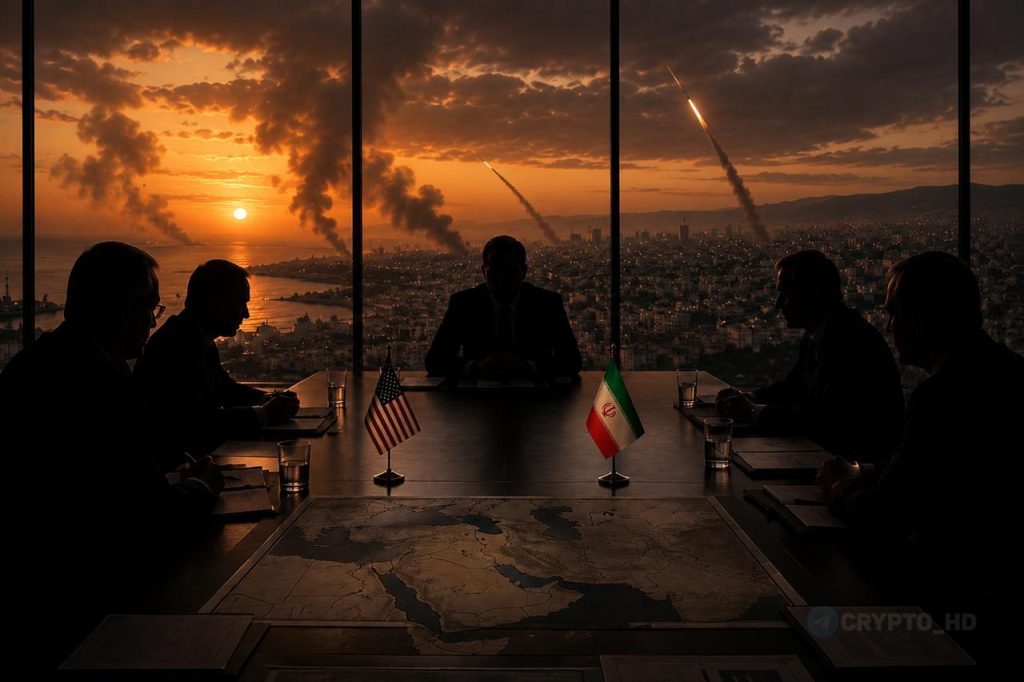
The Geopolitical Crucible: How US-Iran Tensions Signal a Global Flight to Decentralized Assets
Introduction: The escalating conflict between the United States and Iran, marked by military strikes and threats to critical global chokepoints like the Strait of Hormuz, is more than just an energy crisis—it represents a profound systemic risk event. When traditional geopolitical structures face such intense pressure, capital naturally seeks refuge in assets that are non-sovereign, borderless, and immune to localized political conflict. This inherent resilience makes Bitcoin (BTC) and other decentralized digital assets the ultimate hedge against global instability.
The Immediate Impact: Energy Markets and Systemic Risk
The recent reports of military strikes targeting Iranian infrastructure and US bases in the region have immediately sent shockwaves through the energy market, with Brent crude oil prices jumping above $79 per barrel. This kind of sudden, conflict-driven spike in commodity pricing is a textbook example of systemic risk materializing. The vulnerability of global supply chains—from shipping lanes to energy production—is exposed when geopolitical tensions rise.
Historically, such periods have forced major financial institutions and sovereign wealth funds to re-evaluate their asset allocation. They are increasingly moving away from assets tied directly to national jurisdictions (like fiat currencies or government bonds) toward decentralized stores of value that operate outside the control of any single state. This macro trend is a key driver for understanding where the real money flow is heading.
Bitcoin: The Ultimate Non-Sovereign Safe Haven
Bitcoin’s value proposition has always been tied to its decentralized nature. Unlike fiat currencies, which are backed by national governments and thus subject to political whims (such as capital controls or inflation), Bitcoin’s supply is algorithmically fixed, and its transactions require no permission from any central authority. When the global system—be it energy infrastructure or traditional banking—is threatened by conflict, BTC’s decentralized ledger becomes exponentially more valuable.
The current market data reflects this underlying strength: BTC/USDT is trading at $62,773.07 USDT (as of the latest check). Despite the volatility induced by geopolitical news, the long-term institutional conviction remains high, validating Bitcoin’s role as a global hedge.
The Broader Macro Picture: Why Decentralization Wins
This conflict is merely one symptom of a larger trend: the increasing fragility and politicization of traditional financial systems. Whether it’s concerns over global stablecoin compliance or the necessity for new infrastructure in AI, capital is seeking reliable, transparent rails. Bitcoin provides this foundational layer of trust that transcends national borders and political disputes.
Furthermore, the sheer scale of institutional interest—evidenced by massive pension funds considering alternative assets and major tech companies betting on AI infrastructure—confirms that the market views BTC not as a speculative asset, but as a foundational global reserve.
Conclusion: Preparing for Global Instability
The escalating tensions in the Middle East serve as a powerful, real-time reminder of how quickly systemic risk can materialize. For investors, this means shifting focus from short-term market noise to long-term macro trends and fundamental asset resilience. Bitcoin’s decentralized nature is its greatest defense against global chaos.
To navigate these complex markets and build a portfolio resilient enough for any geopolitical storm, staying informed and accessing reliable trading tools is paramount. Start your journey with MEXC today! 🚀
🚀 Trade on MEXC
Disclaimer: This article is for informational purposes only and does not constitute financial advice. Always conduct your own research (DYOR).