
Geopolitical Shocks & Commodity Swings: Why Whales’ Focus on Oil Signals Crypto Opportunity | MEXC Analysis
08.07.2026 15:43
Geopolitical Alert: Analyzing US-Iran Tensions and Their Impact on Crypto Markets | MEXC Analysis
08.07.2026 16:41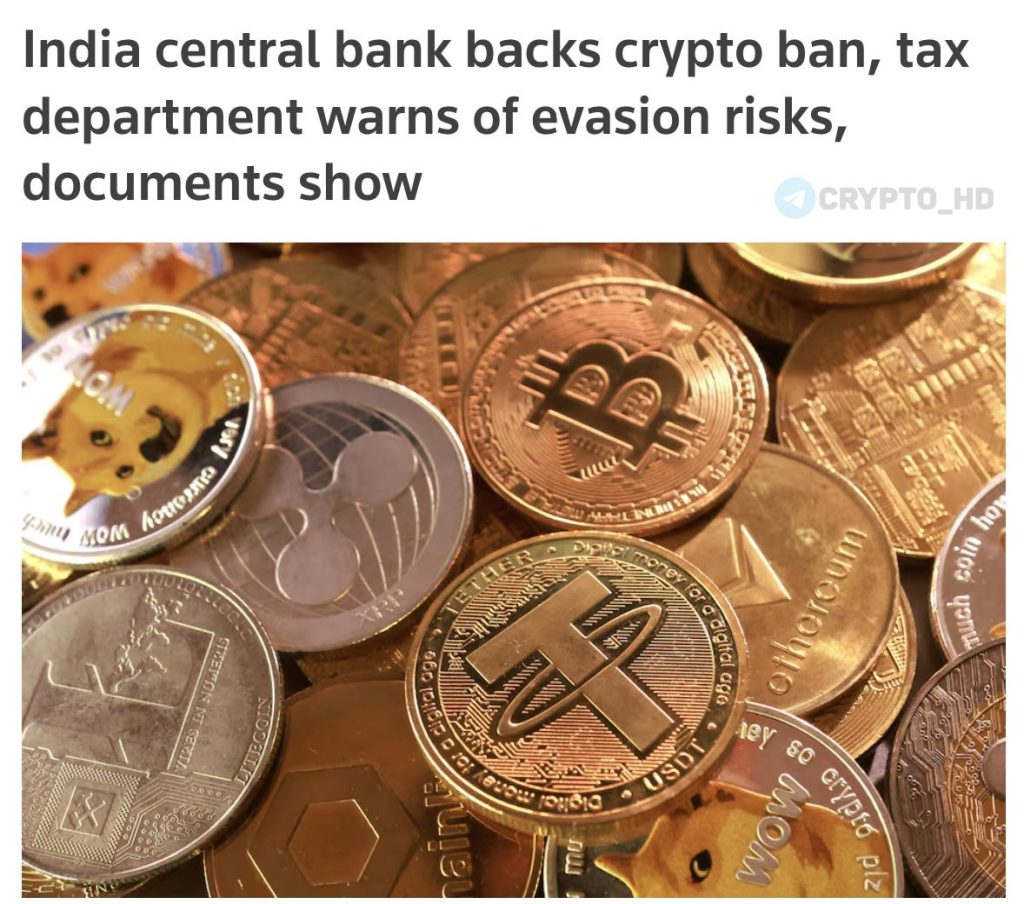
The Global Regulatory Squeeze: Analyzing India’s Push for a Crypto Ban and What It Means for Investors
The cryptocurrency space is currently navigating a period of intense global regulatory scrutiny. Most recently, reports have emerged detailing the Indian government’s stance, with the Central Bank (RBI) advocating for policies “leaning towards a ban.” The RBI has not only called for restrictions on banks handling crypto assets and private stablecoins but has also highlighted significant concerns regarding tax evasion risks. Simultaneously, India’s Tax Department has issued stark warnings, noting that a vast majority of cryptocurrency traders do not report their gains, making the entire sector vulnerable to regulatory crackdowns.
This news from India is not an isolated incident; it serves as a powerful global warning signal. It underscores a fundamental truth in finance: **regulatory clarity is the single greatest catalyst for institutional adoption.** When governments view crypto primarily through the lens of tax evasion and financial instability, they tend to react with prohibition.
The Core Concerns: Tax Evasion and Financial Contagion
The Indian government’s focus on tax compliance reveals a deep concern over illicit finance. The warning that less than 25% of crypto users report their transactions points to a massive, unregulated shadow economy. For central banks worldwide, this presents two major problems: loss of tax revenue and the risk of financial contagion—where instability in one asset class (crypto) could spill over into traditional banking systems.
This regulatory push forces investors to become hyper-aware of jurisdiction. The difference between a clear, structured legal framework and an ambiguous, volatile environment is the difference between institutional capital inflow and outright prohibition.
Global Regulatory Blueprints: Learning from Others
The global response to crypto regulation is highly fragmented, creating a complex map for investors. Instead of viewing these national moves as simple bans, it is more productive to analyze them as attempts by governments to achieve two goals: 1) Tax compliance and 2) Financial stability.
Comparing Global Approaches
The regulatory journey is far from uniform. Some nations are moving toward outright prohibition (like the current sentiment in India), while others are building comprehensive, pro-crypto frameworks:
- The Blueprint Model: The United States Securities and Exchange Commission (SEC) has been working to establish clear rules for digital assets. This effort is detailed in The SEC’s Blueprint for Crypto Legitimacy: What the New US Regulations Mean for Investors, showing how established markets are attempting to integrate digital assets into existing legal structures.
- The Proactive Model: Conversely, nations like Kazakhstan have taken a leading role by creating clear, welcoming regulatory packages. Their efforts, detailed in Kazakhstan’s Crypto Renaissance: How Regulatory Reform is Positioning the Nation as a Global Digital Asset Hub, demonstrate that proactive legislation can de-risk an entire industry and attract massive institutional capital.
The lesson here is clear: **Regulatory certainty is premium.** Investors should always favor jurisdictions with transparent, forward-looking legal frameworks.
Macro Risk & The Need for Diversification
Beyond national regulations, the crypto market must contend with global macro risks. Geopolitical tensions—such as those analyzed in The Global Financial Shockwave: Analyzing the Impact of US-Iran Escalations on Commodities and Crypto—can instantly destabilize asset classes, regardless of local laws.
This macro instability reinforces the need for a disciplined investment strategy. While speculative assets like memecoins offer short-term excitement (as seen in The Wild Ride of Memecoins: Analyzing Extreme Gains and Mastering Speculative Risk), they should never form the core of a portfolio. The foundation must remain anchored in assets with proven structural value.
Current Market Snapshot & Strategic Takeaways
In times of regulatory uncertainty, investors revert to the safest havens. Bitcoin (BTC) and Ethereum (ETH) continue to demonstrate their resilience:
- Bitcoin (BTC/USDT): Trading at 62117.17 USDT. Remains the ultimate digital store of value against both inflation and political instability.
- Ethereum (ETH/USDT): Trading at 1744.03 USDT. Its utility as a smart contract platform makes it foundational for future decentralized applications, regardless of local bans.
The global trend is clear: regulatory crackdown in some regions forces innovation and compliance into others. To navigate this complex landscape with confidence, utilize a world-class exchange like MEXC: