⚠️ Whale Alert: $XCN Dump Signals Critical Altcoin Liquidation Risk | MEXC Analysis
12.07.2026 21:56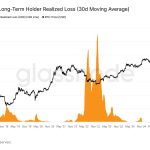
Bitcoin Capitulation Signal: Analyzing Realized Loss Peaks and Market Stress
12.07.2026 23:56The Geopolitical Crucible: How Strait of Hormuz Tensions Signal a Global Flight to Decentralized Assets
The Middle East is once again at the center of global geopolitical drama. The recent escalation involving strikes by the US and retaliatory attacks from Iran near the critical Strait of Hormuz has sent immediate shockwaves through energy markets and international trade routes. This isn’t just a regional conflict; it represents a profound systemic risk to the global economy, making the search for non-sovereign, decentralized assets more urgent than ever.
The Immediate Crisis: A Global Chokepoint at Risk
The Strait of Hormuz is arguably one of the most vital maritime chokepoints in the world. It is through this narrow passage that a massive percentage of global oil and liquefied natural gas (LNG) trade passes. The recent exchanges—where the US maintains the strait is open for all vessels, while Iran claims it is closed—create an unprecedented level of uncertainty. This kind of physical infrastructure risk has immediate ripple effects:
- Energy Price Volatility: Any threat to supply directly translates into massive price spikes for oil and gas, impacting everything from consumer goods to manufacturing costs globally.
- Trade Disruption: Insurance premiums soar, shipping routes are rerouted (increasing time and cost), and global supply chains face immediate bottlenecks.
This physical vulnerability of traditional trade infrastructure highlights a fundamental flaw in the current global financial system: its reliance on centralized, geographically constrained pathways.
Why Geopolitical Risk Drives Capital to Decentralization
When governments, military powers, and major corporations face systemic risk—whether from conflict, regulatory overreach, or climate change—capital naturally seeks the safest haven. Historically, this has been gold. Today, however, a new class of asset is proving its resilience: Bitcoin.
Bitcoin as the Ultimate Non-Sovereign Hedge
Unlike fiat currencies, which are issued and backed by sovereign governments (and thus subject to political whims or sanctions), Bitcoin’s value is derived purely from decentralized consensus and scarcity. In times of geopolitical chaos, this non-sovereign nature becomes its single greatest asset.
Furthermore, the global trend toward digital assets is accelerating. We are seeing major moves in institutional finance that validate this shift:
- Institutional Adoption: The increasing interest from large financial players validates Bitcoin’s role as a legitimate, globally accepted store of value, moving it beyond niche speculation and into mainstream asset class consideration.
The Broader Web3 Context
This macro-level risk is not limited to energy; it touches every aspect of modern infrastructure. The need for secure, resilient systems drives massive investment in new technologies:
- AI and Infrastructure: The enormous spending on AI chips (as detailed in The AI Gold Rush: Navigating Big Tech’s $2 Trillion Bet and the Future of Web3 Infrastructure) shows that even cutting-edge tech is built on resilient, decentralized foundations.
- Security Vulnerabilities: The increasing complexity means greater risk. Understanding The AI Security Wake-Up Call: Unchecked Power and the Future of Web3 Infrastructure is crucial for any participant in this new digital economy.
Market Data Snapshot (BTC/USDT)
As global tensions escalate, market participants are keenly watching Bitcoin’s performance against traditional risk assets. The current data reflects a dynamic environment:
(Change in last 24h: -0.36%)
Conclusion: Decentralization as the Ultimate Hedge
The Strait of Hormuz crisis is a stark reminder that physical global infrastructure remains vulnerable to human conflict and political instability. For capital, this translates into one undeniable truth: **decentralization offers superior resilience.**
While governments struggle to maintain control over physical borders and trade routes, Bitcoin continues its march as the most robust, borderless asset class available. To hedge against geopolitical risk and participate in the next wave of global digital finance, securing exposure to decentralized assets is a critical consideration for any modern portfolio.
🚀 Ready to Hedge Against Global Risk?
MEXC provides secure and compliant trading access to Bitcoin and thousands of other crypto assets. Don’t let geopolitical uncertainty erode your wealth. Start building your resilient digital portfolio today!
➡️ Trade Securely on MEXC: Click Here to Start Trading