The Great Signal: Why Plummeting Bitcoin and Ethereum Exchange Reserves Are a Bullish Indicator for Long-Term Investors | MEXC Analysis
08.07.2026 12:33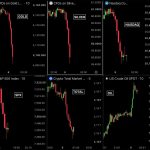
The Global Financial Shockwave: Analyzing the Impact of US-Iran Escalations on Commodities and Crypto | MEXC Analysis
08.07.2026 13:00The Geopolitical Hedge: How Escalating Tensions in the Middle East Impact Crypto Volatility
Global financial markets are once again grappling with extreme geopolitical uncertainty. Recent escalations, stemming from reports of US strikes against Iranian targets and subsequent retaliatory actions in the Strait of Hormuz, have immediately spiked global risk premiums. These events are not merely political headlines; they represent massive systemic risks that inject profound volatility into commodity markets (especially oil) and, by extension, into all asset classes.
For crypto investors, this macro event serves as a critical, real-time reminder: when traditional financial systems face geopolitical instability, decentralized digital assets like Bitcoin and Ethereum become primary destinations for capital seeking true stability and non-sovereign value. The core thesis remains the same: in times of systemic risk, decentralization is paramount.
The Immediate Impact: Oil Prices and Global Systemic Risk
The Strait of Hormuz is one of the world’s most vital oil chokepoints. Any perceived threat or disruption here has an immediate, measurable impact on global energy supply, which dictates inflation and economic growth worldwide. The market reaction to escalating US-Iran tensions confirms that investors are rapidly pricing in a significant risk premium due to potential disruptions in the region’s oil trade.
This kind of macro shock forces institutional capital into a defensive posture. They must move away from assets tied to specific national economies or commodity supply chains and toward assets whose value is derived purely from decentralized consensus and global utility—the definition of Bitcoin and Ethereum. This immediate shift underscores why understanding Geopolitical Risk Alert: How Escalating Tensions in the Strait of Hormuz Impact Crypto Volatility is mandatory for every serious investor.
Why Crypto Thrives During Geopolitical Crises (The Hedge Thesis)
In times of geopolitical uncertainty, the primary concern shifts from profit to preservation. Traditional financial instruments are inherently tied to national governments and sovereign laws, making them susceptible to sanctions or political instability. Cryptocurrency, by its nature, is borderless and non-sovereign. This fundamental characteristic makes it an ideal hedge against systemic global risk.
This structural appeal is further reinforced by underlying economic forces:
- Deflationary Forces: The continuous burning of stablecoins acts as a powerful deflationary mechanism across the crypto ecosystem, reinforcing scarcity and providing underlying support for major assets. Reviewing The Deflationary Force: Analyzing Tether’s Massive USDT Burn and Its Impact on Crypto Scarcity helps illustrate this powerful economic principle at work.
- Institutional Accumulation: Even amid global chaos, institutional money continues to flow into the most secure assets. The recent activity showing massive accumulation of ETH by large wallets confirms that major players view Ethereum as a foundational layer for decentralized services resilient to geopolitical shocks. Tracking Whale Alert: Massive On-Chain Moves Signal Major Market Shifts in Crypto provides real-time insight into this institutional conviction.
The Convergence of Tech, Risk, and Capital Flow
Furthermore, the current global race for Artificial Intelligence (AI) is creating a new infrastructure boom. The demand for massive, reliable computational power requires stable energy sources and secure digital ledgers—exactly what Bitcoin provides. This convergence means that crypto is no longer just an investment; it’s becoming a critical piece of global digital utility.
To understand how these converging forces are shaping the future, read Decoding the Signals: How AI Hype, Geopolitics, and Regulation Are Defining Crypto’s Future.
⚠️ The Importance of Discipline in Volatility ⚠️
Geopolitical events generate extreme volatility—a mix of fear (which drives buying) and panic (which drives selling). In such environments, emotional trading is the single greatest risk. It is vital to maintain a disciplined approach, defining your risk parameters before the next crisis hits. The best defense against market chaos is sound strategy: Bearish Signal Alert: Analyzing Crypto’s Potential Downtrend and Navigating Market Corrections helps ground your expectations in disciplined risk management, regardless of the headlines.
📈 Current Market Snapshot & Strategic Takeaways
As global risk remains elevated, capital is expected to flow into “safe haven” digital assets. While short-term price movements will be dictated by oil futures and political headlines, the long-term structural trend favors decentralized, scarce assets.
- Bitcoin (BTC/USDT): Trading at 61875.23 USDT. The primary signal remains its role as a global hedge against systemic risk.
- Ethereum (ETH/USDT): Trading at 1732.33 USDT. Its utility in DeFi makes it resilient during macro downturns.
🚀 For Traders: Actionable Steps for Geopolitical Hedge
- Adopt a Defensive Stance: During periods of high geopolitical risk, prioritize capital preservation over aggressive gains.
- Focus on Fundamentals: Base your investment thesis on structural pillars (scarcity, utility, institutional demand), not just daily price charts or headlines.
- Use Compliant Platforms: To participate in this volatile but opportunity-rich market with unparalleled liquidity and advanced trading tools, use world-class, compliant exchanges like MEXC to ensure your funds are secure:
🔗 Trade with Confidence on MEXC: MEXC Referral Link
*Source Material:* Synthesis of major news reports regarding US-Iran military actions, commodity market data from Platts/Bloomberg, and macro-economic analysis on systemic risk hedging.
Tags: Geopolitics, Bitcoin, Crypto Hedge, Macroeconomics, Oil Crisis, Risk Management