
🌐 Decoding the Signals: How AI Hype, Geopolitics, and Regulation Are Defining Crypto’s Future | MEXC Analysis
08.07.2026 10:09
🐳 Whale Alert: Massive On-Chain Moves Signal Major Market Shifts in Crypto | MEXC Analysis
08.07.2026 10:30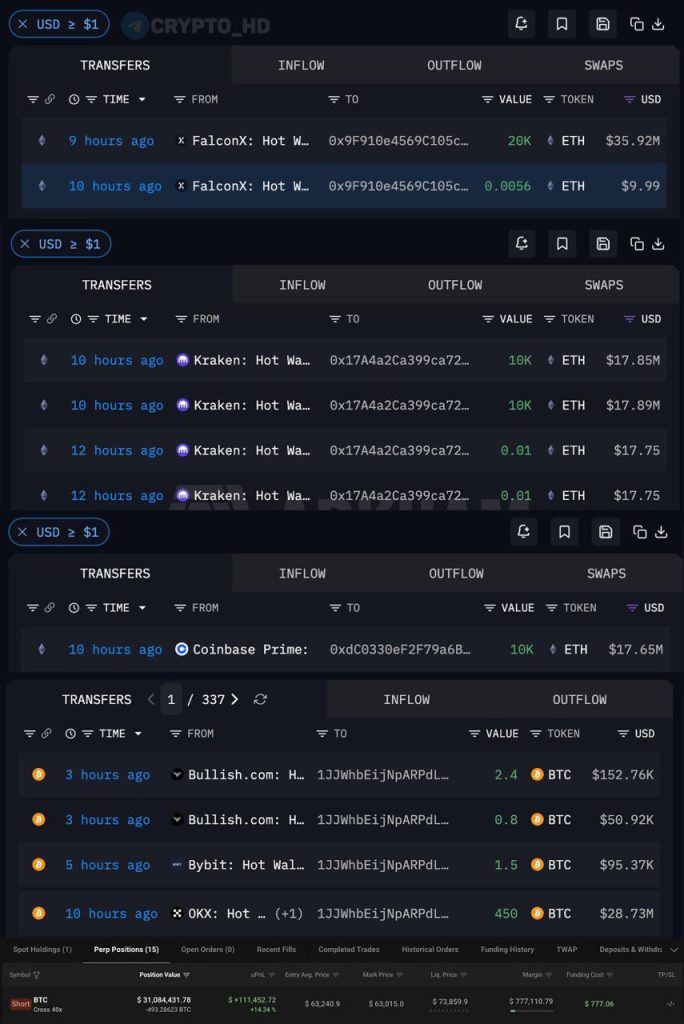
The High-Risk Alpha Play: Decoding the Memecoin Mania and What It Means for Crypto Investors
In the volatile world of digital assets, every transaction—especially those involving billions of dollars—is a signal. Recently, an extraordinary event unfolded as Tether (USDT) burned an additional 2.5 billion USDT, bringing the total stablecoin supply removal over the last 24 hours to a staggering $5 billion. This massive deflationary action is not merely a headline; it represents a powerful structural force that fundamentally reinforces scarcity across the entire crypto ecosystem, providing crucial support for major assets like Bitcoin and Ethereum.
What Does Burning Stablecoins Mean? The Mechanics of Deflation
When a stablecoin like USDT is “burned,” it means that the tokens are permanently removed from circulation by their issuer (Tether Treasury). Unlike simply transferring funds, burning destroys the token itself. This action has profound economic implications:
- Reduced Supply: By removing billions of dollars worth of supply, Tether reduces the total available pool of stablecoins.
- Increased Scarcity: For every dollar burned, the remaining circulating supply becomes more valuable relative to its previous state.
- Deflationary Pressure: This constant removal of liquidity acts as a deflationary force across the market, creating structural support for all major crypto assets that rely on stable value and capital depth.
This phenomenon is a prime example of how fundamental economics—supply and demand—are at play in decentralized finance (DeFi). For a deeper dive into this core concept, read our analysis: The Deflationary Force: Analyzing Tether’s Massive USDT Burn and Its Impact on Crypto Scarcity.
Impact on Core Assets: BTC & ETH Resilience
The primary beneficiaries of this deflationary pressure are the foundational assets, Bitcoin (BTC) and Ethereum (ETH). When stablecoins burn at such a rate, it signals that capital is either being locked into long-term holdings or deployed into high-utility protocols.
- Ethereum’s Utility: The massive liquidity provided by stablecoins fuels DeFi activity on Ethereum. This constant demand for smart contract execution reinforces ETH’s status as the backbone of decentralized finance. We can see this structural conviction reflected in recent reports detailing ETH Whale Accumulation Alert: Decoding Institutional Conviction in Ethereum.
- Bitcoin’s Store of Value: Bitcoin, with its fixed 21 million supply and growing institutional adoption (as seen by major players accumulating BTC), benefits immensely from the overall tightening liquidity environment created by stablecoin burns.
Macro Context: Capital Flight and Risk Management
Deflationary events are often correlated with periods of global uncertainty. When geopolitical tensions escalate—such as those in the Strait of Hormuz—investors tend to pull capital out of riskier, fiat-backed assets and into perceived safe havens like Bitcoin or stablecoins that can be burned/recycled.
The confluence of massive deflationary pressure and heightened geopolitical risk creates a powerful bull market tailwind. However, this high potential must always be paired with extreme caution. For those navigating such volatile times, understanding robust Risk Management techniques is non-negotiable.
Current Market Snapshot & Strategic Takeaways:
As of today, Bitcoin is trading at 62722.94 USDT, and Ethereum is at 1750.72 USDT. Despite the recent price dips influenced by global macro noise, the underlying structural strength provided by deflationary forces remains a powerful long-term bullish signal.
For Traders: Actionable Steps for Informed Trading:
- Focus on Fundamentals: Do not trade based solely on daily price action. Instead, analyze the fundamental drivers—scarcity, institutional flow, and macro risk—to build your thesis.
- Maintain Discipline: Remember that market cycles are defined by emotional extremes (fear and greed). Adopting a disciplined approach, much like Warren Buffett’s principles of restraint, is the best defense against impulsive trades.
- Use Compliant Platforms: To participate in this high-stakes global market with unparalleled liquidity and advanced trading tools, use world-class, compliant exchanges like MEXC to ensure your funds are secure:
🔗 Trade with Confidence on MEXC: MEXC Referral Link
*Source Material:* On-chain data tracking Tether Treasury burns, combined with market analysis of stablecoin deflationary mechanics and macro risk assessment.
**Tags:** Stablecoin, Deflationary Force, USDT, Crypto Scarcity, Bitcoin, Ethereum
**Category:** Market Analysis