

Ethereum’s Market Dynamics: Analyzing Current Trends and Future Outlook
21.07.2026 13:29
Understanding the Impact of Whale Activities on Cryptocurrency Trading
21.07.2026 13:51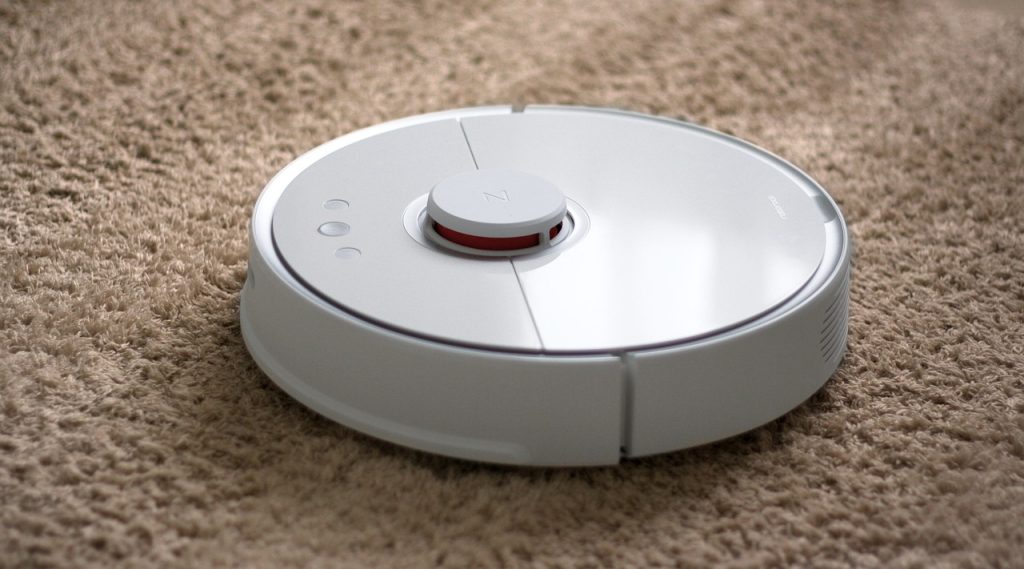
Xiaomi Launches Advanced Robot: A Leap Towards Autonomous Household Management
Background and Context
Xiaomi, a leading player in consumer electronics, has recently unveiled an advanced household robot that can understand natural language commands and perform tasks without pre-programmed scenarios. This marks a significant evolution in robotic technology, reflecting broader trends in AI and automation that have been gradually transforming home management.
Historically, household robots were limited to basic task execution, often needing specific commands or programming. However, recent advancements in AI have enabled machines to learn and adapt to their environments, significantly enhancing their functionality. Xiaomi’s new robot is reported to be capable of activities such as organizing belongings, arranging shoes, loading washing machines, and even refilling printers—tasks that require a level of understanding and adaptability previously unseen in consumer robotics.
Key Data and Metrics
According to industry reports, the global household robot market is expected to grow from $3.5 billion in 2020 to approximately $11.5 billion by 2026, representing a compound annual growth rate (CAGR) of over 20%. This growth is driven by increasing consumer demand for automation in daily life, especially in the context of busy lifestyles and the ongoing trend towards smart homes.
Xiaomi’s robot leverages advanced machine learning algorithms, which allow it to learn from user interactions. As it processes more commands and tasks, it becomes increasingly efficient and capable of handling more complex requests. This adaptability is critical in a market where users expect seamless integration of technology into their everyday lives.
Market Analysis
The introduction of Xiaomi’s advanced robot comes at a time when competition in the household robotics sector is intensifying. Companies like iRobot, with its Roomba series, and Dyson, with its innovative cleaning solutions, have already established a strong foothold in this market. However, Xiaomi’s emphasis on AI and natural language processing could set it apart, potentially capturing a significant share of the market.
Furthermore, as consumers become more tech-savvy and open to integrating robots into their homes, the demand for multifunctional devices is expected to rise. Xiaomi’s robot, with its diverse capabilities, aligns perfectly with this trend, appealing to a broader audience seeking convenience and efficiency.
Expert Perspective
Industry experts predict that the success of Xiaomi’s advanced robot will depend not just on its technical specifications but also on its price point and user experience. If Xiaomi can offer competitive pricing while ensuring high functionality and ease of use, they could disrupt the traditional robotics market significantly.
Moreover, the integration of smart home technologies presents both opportunities and challenges. As highlighted in our Cryptocurrency Hits New All-Time High analysis, the intersection of AI and blockchain could also play a role in how these devices are secured and managed in the future.
Risks and Opportunities
While the prospects for Xiaomi’s robotics venture are promising, several risks must be considered. The rapid pace of technological advancement means that competitors can quickly catch up or surpass innovations. Additionally, consumer acceptance of AI-driven robotics varies widely, with privacy concerns often at the forefront of potential buyers’ minds.
Conversely, the opportunities are vast. As households increasingly look for solutions that enhance convenience, smart robots that can handle multiple tasks are likely to gain traction. This shift in consumer behavior represents a significant opportunity for Xiaomi to establish itself as a leader in the evolving landscape of household automation.
Future Outlook
The future of robotic technology in the household sector looks bright, with Xiaomi poised to capitalize on emerging trends. As AI continues to evolve, we can expect robots to take on even more complex tasks, potentially integrating with other smart devices in the home ecosystem.
Additionally, as discussed in our strategic move analysis, the implications of these innovations could extend beyond consumer applications, influencing sectors such as healthcare, security, and elder care, where robotic assistance can greatly enhance quality of life.
Conclusion
Xiaomi’s launch of an advanced household robot represents a significant step forward in the integration of AI and robotics into everyday life. With its ability to understand natural language and adapt to new tasks, this robot is not just a novelty but a glimpse into the future of home management. As the market for household robots continues to expand, Xiaomi’s innovations could redefine how we interact with technology in our homes, paving the way for a more automated and efficient lifestyle.
For those interested in the dynamics of emerging technologies and their market implications, keeping an eye on Xiaomi’s developments will be crucial. The interplay between consumer preferences and technological capabilities will shape the future landscape of household robotics.