
Ethereum’s Cycle Thesis: Can ETH Reach $15,000? Analyzing the Bull Run Potential
11.07.2026 02:56The Crypto Battlefield: How Visualizing Price Charts Reveals Market Psychology & Strategy
11.07.2026 11:10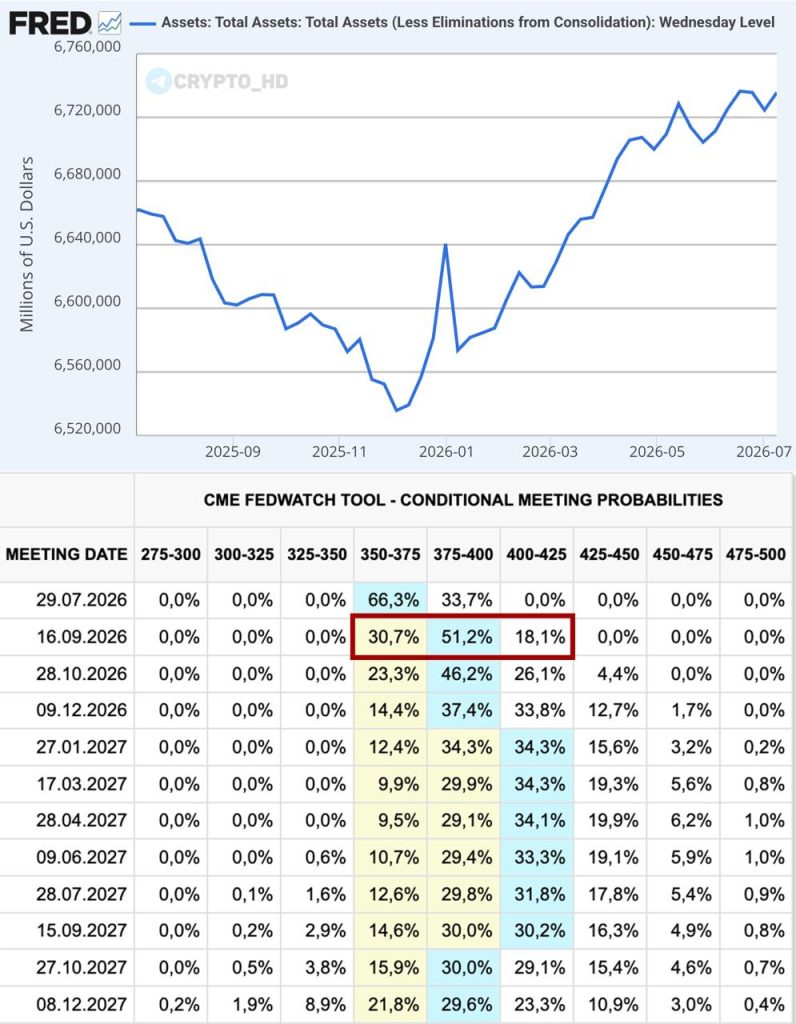
The Macroeconomic Tug-of-War: How Fed Decisions, Inflation, and Rates Shape Crypto’s Future
The relationship between traditional finance (TradFi) and decentralized digital assets is becoming increasingly intertwined. Recent statements from Federal Reserve officials—including Waller and Williams—have thrown a spotlight on the persistent challenge of inflation and the complex path of interest rate decisions. For crypto investors, understanding this macroeconomic tug-of-war is not optional; it is essential for risk management and strategic positioning.
Understanding the Fed’s Dilemma: Inflation vs. Growth
The core message from the Federal Reserve remains consistent: inflation is too high, but the labor market shows signs of stabilization. This creates a difficult balancing act for policymakers. As Waller pointed out, while rate forecasts are useful, they must be applied with flexibility to avoid unnecessarily restricting regulatory action. The consensus among experts suggests that future moves will be highly dependent on incoming economic data.
The recent increase in the Federal Reserve’s balance sheet by over $11 billion highlights its continued deep involvement in the financial system. This level of intervention underscores how closely crypto assets are now viewed by global central banks and major financial players, solidifying their status as a significant asset class to monitor.
Interest Rates: The Primary Driver for Crypto Capital Flow
Historically, interest rates have been one of the most powerful predictors of capital flow into risk assets. When the Fed signals potential rate cuts (as suggested by market expectations for a pause in July and a possible hike later), it generally lowers the cost of capital across the board. This makes “riskier” assets, like cryptocurrencies, more attractive to institutional money.
The current focus on energy prices—with oil potentially nearing its peak—also offers a short-term positive outlook for global liquidity. When commodity costs stabilize or decline, it often frees up capital that can be redirected into high-growth sectors, including Web3 and AI infrastructure. For those interested in the structural shifts driving this growth, analyzing the AI Revolution and the Future of Work: How Humanoid Robotics is Reshaping Industries provides valuable context on where capital is flowing.
Bitcoin’s Role as a Macro Hedge Against Inflation
In this unstable macro environment, Bitcoin (BTC) continues to reinforce its narrative as “digital gold.” Its decentralized nature and limited supply make it an ideal hedge against fiat currency devaluation caused by persistent inflation. When governments struggle to manage their economies through printing money or complex rate adjustments, BTC offers a non-sovereign store of value.
This structural role is further emphasized when we consider the broader market maturity. The consistent institutional interest in digital assets, as seen in The Crypto Market’s Green Zone Momentum: Analyzing Institutional Flow and Web3 Maturity, confirms that the narrative of Bitcoin as a global reserve asset is gaining irreversible traction.
Strategic Takeaways for Traders
For traders, the Fed’s statements are not just academic; they provide clear signals on liquidity cycles. The key takeaways are:
- Watch Data: Pay close attention to inflation reports (CPI/PCE) and employment data. These will dictate the Fed’s next move.
- Diversify Risk: While BTC provides foundational stability, do not ignore other high-utility sectors like USDC’s Institutional Leap: How Bank Charters are Bridging TradFi and the Future of Digital Currency.
- Patience is Key: The market will likely continue to consolidate as institutions digest this complex data, making disciplined, long-term investing more rewarding than short-term speculation.
The current price action for Bitcoin remains strong and resilient:
- BTC/USDT Live Price: $64,069.84 USDT (Up 1.73% in 24h)
Conclusion: Navigating the Next Cycle
The convergence of high inflation risks and complex monetary policy makes the next few quarters challenging but opportunity-rich. By understanding the Fed’s concerns, recognizing Bitcoin’s unique hedge value, and maintaining a diversified portfolio approach, investors can navigate this macroeconomic uncertainty successfully.
Don’t let macro uncertainty dictate your strategy. Gain access to global markets and institutional-grade tools by trading on MEXC today:https://promote.mexc.com/a/S4oTaLfq
Disclaimer: This article is for informational purposes only and does not constitute financial advice. Cryptocurrency investments are highly volatile. Always conduct your own research (DYOR) before making any investment decisions.