
The Coinbase Premium Index Alert: Decoding Sustained Selling Pressure and Bitcoin’s True Value | MEXC Analysis
07.07.2026 15:11The Strategic Sale: Decoding Michael Saylor’s BTC Moves and Bitcoin’s True Resilience | MEXC Analysis
07.07.2026 16:48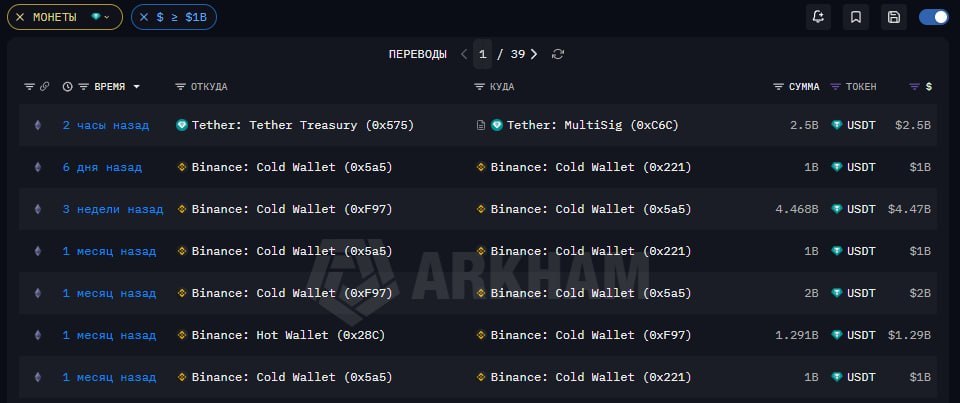
The Deflationary Force: Analyzing Tether’s Massive USDT Burn on Ethereum and Its Impact on Crypto Stability
In the dynamic world of cryptocurrency, supply dynamics are often as critical to price action as demand. The recent announcement that Tether (USDT) burned a massive 2.5 billion USDT on the Ethereum network is not merely a headline; it represents a significant structural shift in the market’s liquidity and deflationary pressure. This event signals a major reduction in circulating supply, which has profound implications for the stability and potential value of all assets within the broader crypto ecosystem.
What Does Burning Stablecoins Mean for Crypto?
A stablecoin like USDT is designed to maintain a peg to fiat currency (like the US Dollar). When Tether burns its own tokens—meaning it permanently removes them from circulation by sending them to an unrecoverable address—it achieves two key things: first, it signals that the company has excess liquidity or capital reserves; and second, more importantly for the market, it creates a powerful **deflationary force**. Deflationary pressure means that for every dollar of value remaining in the system, there are fewer tokens to represent it. This scarcity is historically correlated with increased asset value.
The burning of 2.5 billion USDT on Ethereum specifically highlights the continued utility and importance of the ETH network itself. It demonstrates that even stable assets are being managed through decentralized infrastructure, reinforcing the foundational role of smart contract platforms like Ethereum in global finance.
The Impact of Deflationary Pressure on Market Stability
When a major circulating asset undergoes such a massive reduction in supply, it tends to create a positive feedback loop across the entire market. Here is how this deflationary force impacts stability:
- Increased Scarcity Value: By reducing the total float of USDT, Tether increases its relative scarcity, which can stabilize trust and confidence in stable assets.
- Capital Flow Signal: Such large burns often accompany periods where major players (whales/institutions) are accumulating other assets like Bitcoin or Ethereum. The burning of liquidity suggests a strategic move to solidify positions rather than simply circulating cash.
- Defensive Mechanism: In times of market uncertainty, deflationary events can act as a psychological buffer, reassuring investors that the underlying value proposition remains intact and is becoming scarcer over time.
For those interested in understanding how global forces influence digital asset pricing, review The Macro-Crypto Nexus: Decoding Institutional Moves Amid Global Economic Shifts.
Strategic Implications for Traders and Investors
For active traders, the USDT burn is a signal to pay close attention to supply metrics alongside price action. It suggests that market movements might be driven by fundamental changes in liquidity rather than just speculative hype.
- Watch ETH/BTC Correlation: The burning occurred on Ethereum. This reinforces the foundational role of ETH and often leads to a positive correlation, suggesting that strong network utility can drive asset appreciation.
- Re-evaluate Risk: While deflation is bullish, it does not eliminate risk. Market cycles are driven by human emotion—fear and greed. It is crucial to maintain disciplined trading habits and never chase hype. For essential guidance on managing your capital during volatile periods, read The Danger of Paid Crypto Trading Signals: A Guide to Risk Management.
- Focus on Fundamentals: Always ground your investment thesis in the underlying technology and adoption curve, rather than just price action or news headlines. For a deeper dive into institutional conviction, check out BlackRock’s Massive BTC & ETH Accumulation Signals Institutional Conviction.
The massive burn of USDT is a powerful reminder that the crypto market is maturing into a sophisticated financial instrument, where supply management and structural economics are key drivers. Understanding these deflationary forces can provide a significant edge in your trading strategy.
Market Snapshot & Call to Action
As of today, Bitcoin is trading at 63,751.71 USDT on MEXC. The market continues to show resilience despite the constant flow of liquidity and deflationary signals across stablecoins. This confirms that fundamental demand remains strong.
To participate in this powerful and rapidly expanding cross-asset market with confidence, you need access to a world-class exchange that supports global trading pairs:
🚀 Trade with Confidence on MEXC
***
*Source Material:* Synthesis of crypto news reports regarding Tether’s treasury activities and general market analysis on stablecoin supply dynamics, cross-referenced with web search results detailing the impact of large token burns.
**Tags:** USDT, Deflationary, Stablecoin, Ethereum, Liquidity
**Category:** Market Analysis