

Litentry (LIT): An In-depth Analysis of Market Movements and Future Prospects
22.07.2026 17:27
McDonald’s Stock Decline: Analyzing the Impacts on Investors and Market Sentiment
22.07.2026 17:52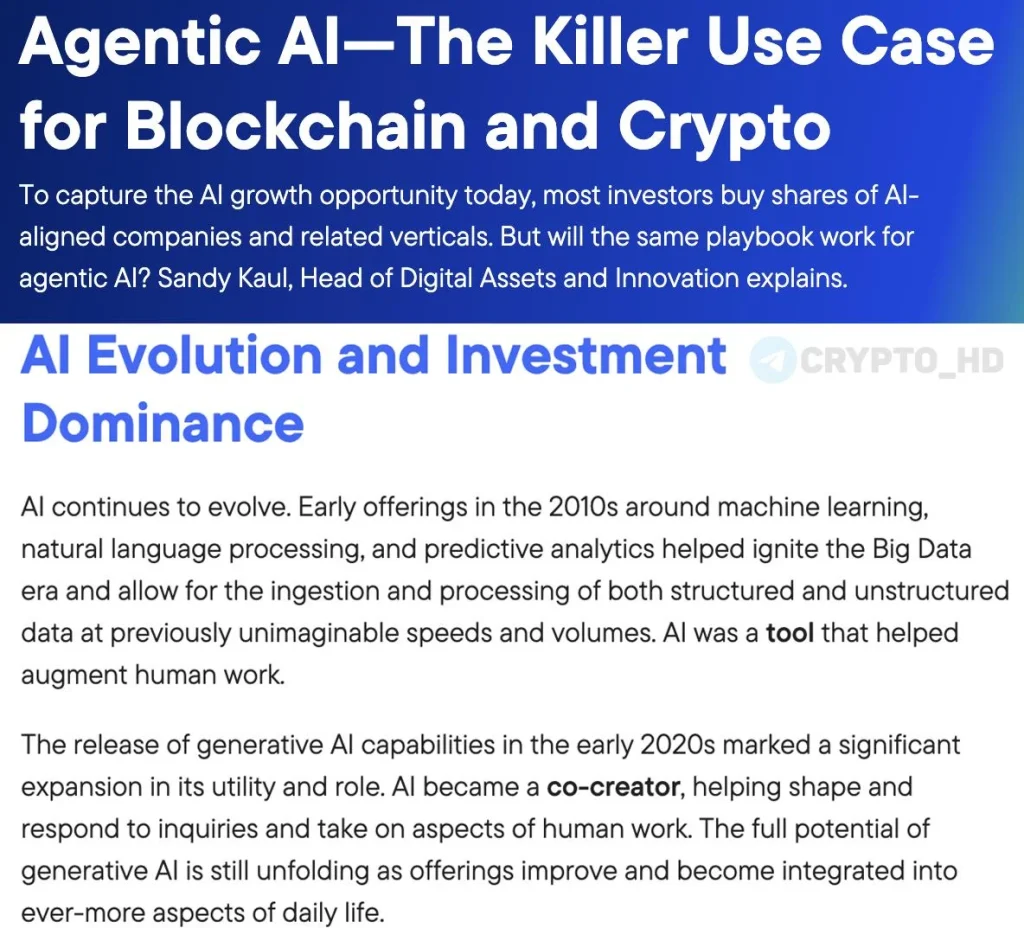
AI Agents as Catalysts for Cryptocurrency Adoption: Insights from Franklin Templeton
Background and Context
Franklin Templeton, a prominent investment management firm, has recently highlighted the potential of AI agents to drive widespread cryptocurrency adoption. According to their analysts, AI agents could facilitate billions of microtransactions autonomously, leveraging blockchain technology as a more efficient alternative to traditional banking systems. This assertion underscores a significant shift in how financial transactions may be executed in the future, particularly by emphasizing the inefficiencies present in traditional banking.
In recent years, the adoption of cryptocurrency has been steadily increasing, with Bitcoin and Ethereum leading the charge. However, the emergence of new technologies, such as artificial intelligence, is poised to disrupt the financial landscape even further. The intersection of AI and blockchain is not merely a theoretical concept; it is a burgeoning field that could redefine how value is exchanged on a global scale.
Key Data and Metrics
Franklin Templeton points to several blockchain platforms that stand to benefit from the integration of AI agents: Aptos (APT), Solana (SOL), and BNB Chain (BNB). These platforms are designed to support high-speed transactions, making them suitable for the rapid execution of microtransactions that AI agents would require. For instance, Solana boasts an impressive throughput of over 65,000 transactions per second, significantly outpacing traditional financial systems.
Moreover, the global digital payments market is projected to reach $236.10 billion by 2028, growing at a compound annual growth rate (CAGR) of 19.4% from 2021 to 2028. This growth is indicative of the increasing reliance on digital transactions, further reinforcing the need for efficient systems that can handle microtransactions — a primary use case for AI agents. As we move towards a more digitized economy, the role of AI in facilitating these transactions cannot be overstated.
Market Analysis
The cryptocurrency market has seen a tumultuous journey, with fluctuations influenced by regulatory changes, technological advancements, and market sentiment. The potential for AI agents to conduct microtransactions could lead to increased adoption of cryptocurrencies across various sectors, including gaming, finance, and e-commerce. As noted in previous articles like XRP on the Verge of a Bullish Breakout?, the integration of AI could also instigate price volatility as market participants react to these new developments.
Furthermore, the emergence of decentralized finance (DeFi) platforms has paved the way for innovative financial products that utilize blockchain technology. The synergy between AI and DeFi could create more efficient lending protocols and automated trading strategies, as discussed in Abraxas Capital’s Strategic Asset Movements. This integration could attract institutional investors looking for advanced technological solutions to optimize their portfolios.
Expert Perspectives
Industry experts have expressed cautious optimism regarding the role of AI in the cryptocurrency ecosystem. The potential for AI agents to streamline transactions and reduce costs is appealing, but concerns regarding security and regulatory compliance remain. As articulated in the article OpenAI GPT-5.6 Sol Hack Incident, the intersection of AI and blockchain could pose unique security challenges that must be addressed to ensure the safety of digital assets.
In addition, Hester Peirce’s insights on regulatory frameworks for cryptocurrencies emphasize the need for clear guidelines that can accommodate the integration of AI technologies in finance. Without a coherent regulatory framework, the full potential of AI agents in the cryptocurrency space may remain unrealized.
Risks and Opportunities
The integration of AI agents into the cryptocurrency market presents both risks and opportunities. On one hand, the automation of microtransactions could lead to increased efficiency and lower transaction costs, which are essential for the mass adoption of cryptocurrencies. However, the reliance on AI also introduces risks related to system failures, cyberattacks, and potential manipulation of markets through automated trading.
Furthermore, as AI agents become more prevalent, there is a risk of regulatory backlash. Governments may impose stricter regulations on automated trading activities, particularly if they perceive a threat to market stability. The implications of these regulations could be substantial, as they may stifle innovation within the sector. For a broader understanding of how regulatory dynamics impact the crypto market, consider reading Hester Peirce’s insights on Crypto Vaults.
Future Outlook
Looking ahead, the potential for AI agents to transform the cryptocurrency landscape is significant. As blockchain technology matures, it is likely that we will see more sophisticated AI applications that enhance transaction capabilities and ensure greater security. The convergence of AI and blockchain could lead to the emergence of new business models and use cases that we have yet to envision.
Moreover, as the cryptocurrency ecosystem continues to evolve, platforms like Aptos, Solana, and BNB Chain are well-positioned to capitalize on this trend. Their ability to process high volumes of transactions with low latency will be critical as AI agents begin to operate in real-time environments. Investors and traders should keep a close eye on these developments, as they may herald a new era of innovation in the digital asset space.
Conclusion
In conclusion, Franklin Templeton’s assertion that AI agents will be a primary driver of cryptocurrency adoption presents a compelling vision for the future of finance. While there are inherent risks associated with this transformation, the opportunities for efficiency and innovation are substantial. As the landscape evolves, stakeholders must remain agile and informed to navigate the complexities that lie ahead. For those looking to engage with these emerging trends, platforms like MEXC offer a gateway to the evolving cryptocurrency market.