
Bitcoin’s Sellers Are in Profit: Are We Tipping Into a Bull Market?
24.07.2026 21:14
Federal Reserve Balance Rise: Implications for Cryptocurrency Markets
24.07.2026 23:51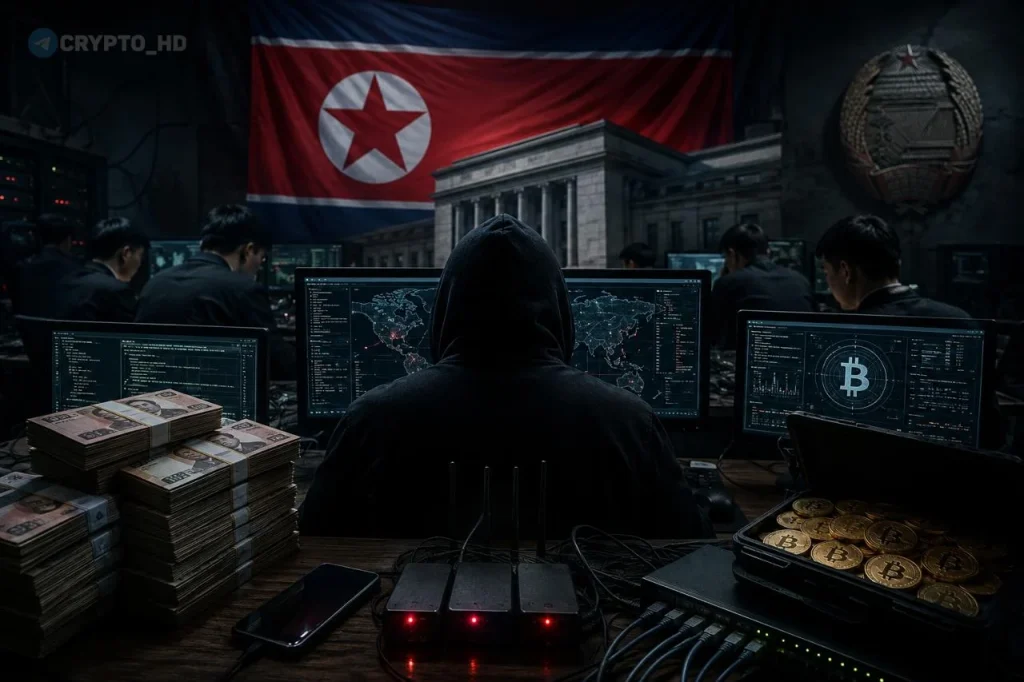
North Korean Hack: A Self-Inflicted Wound in Crypto Theft
A Financial Debacle: The Numbers Behind the Breach
North Korea’s banking system faced an unprecedented breach when its own cyber operatives reportedly hacked into the Central Bank and Bank of Foreign Trade. This incident stands out not just for its audacity but also for the scale of theft involved. While exact figures are yet to be disclosed, the operation involved sophisticated techniques to siphon state funds through cryptocurrencies. The funds were fragmented into smaller amounts and transferred to foreign crypto wallets, before being liquidated via intermediaries in China.
The operation was uncovered through suspicious crypto transactions traced to international IP addresses, highlighting vulnerabilities even in highly controlled environments. It’s a stark reminder of the potential for internal threats, with former military cyber specialists leveraging state-trained skills against their own government. This incident raises questions about the safeguards—or lack thereof—within North Korea’s financial systems.
The breach’s financial implications are significant, potentially involving millions in state funds. For context, the global cryptocurrency market has faced similar heists, with the infamous Mt. Gox hack of 2014 seeing 850,000 Bitcoins stolen, valued at $460 million at the time. While the North Korean case might not match this scale, it underscores an ongoing challenge in securing digital financial assets.
From State Operators to Rogue Hackers: An Ironic Twist
This incident is particularly ironic, given North Korea’s reputation for state-sponsored cyberattacks to fund its regime. The nation has been linked to several significant cyber intrusions, including the Lazarus Group’s exploits, which previously targeted international financial institutions and cryptocurrency exchanges. However, turning these skills inward marks a new chapter in North Korea’s cyber narrative.
The involvement of former military cyber specialists suggests a potential erosion of control within the regime’s elite circles. This internal attack might indicate dissatisfaction or opportunism, as these operatives exploited their expertise for personal gain. Historically, such insider threats are rare but not unheard of in authoritarian regimes, where loyalty is typically maintained through strict oversight and severe penalties.
As noted in our analysis on South Korea’s clampdown on crypto exchange apps, regional tensions and regulatory responses can influence the cybersecurity landscape significantly. This incident could prompt North Korea to tighten its internal security measures further, reflecting a broader trend of increasing paranoia in response to cyber threats.
Implications for Global Crypto Security
The breach highlights broader implications for global crypto security. Despite the decentralized nature of cryptocurrencies, this incident underscores the persistent vulnerabilities in how digital assets are managed and transferred. The use of overseas intermediaries and foreign IP addresses to launder stolen funds points to the challenges in tracking and recovering such assets.
In a market already grappling with regulatory uncertainties and security risks, this case could influence international efforts to enhance crypto transaction monitoring. As discussed in our analysis of AI’s role in crypto security, technological advancements are crucial in preventing such breaches. Enhanced AI-driven surveillance could become a focal point for both private entities and regulatory bodies seeking to mitigate similar risks.
For traders and investors, this incident is a reminder of the importance of due diligence in crypto transactions. The need for robust security measures and the potential for geopolitical factors to affect market stability cannot be overstated. Investors should remain vigilant, as the fallout from such breaches can have ripple effects across the crypto ecosystem.
North Korea’s Crypto Strategy: A Double-Edged Sword?
Historically, North Korea has turned to cryptocurrency as a means to circumvent international sanctions and bolster its economy. The nation’s strategic focus on crypto heists has been well-documented, with reports suggesting that these activities generate substantial revenue for the regime. However, this internal breach introduces a paradox: the very tools intended to support the state have been manipulated by insiders to undermine it.
This incident could lead to a reassessment of North Korea’s cyber strategy, possibly tightening the oversight of its operatives or altering its approach to digital finance. The event underscores the inherent risks of relying too heavily on illicit activities for economic support, particularly when those activities can be repurposed against the state itself.
In the broader context of crypto landscape dynamics, as seen in our exploration of market pressures, North Korea’s reliance on such tactics could face increasing scrutiny from international watchdogs and sanctions committees.
Market Reactions: Analyzing Investor Sentiment
The immediate market reaction to the North Korean breach was muted, reflecting perhaps a degree of desensitization to high-profile crypto thefts. However, the long-term implications could be more pronounced, especially if similar incidents occur. Investors may start demanding greater transparency and security assurances from exchanges and wallet providers.
This incident also highlights the potential for geopolitical events to influence cryptocurrency values. As discussed in our Bitcoin market analysis, macroeconomic factors and geopolitical tensions can significantly impact market dynamics. While the North Korean hack may not have triggered immediate volatility, it adds another layer of complexity to an already unpredictable market.
For institutional investors, this breach serves as a cautionary tale, emphasizing the need for comprehensive risk assessment strategies. The integration of geopolitical risk factors into investment models could become increasingly important, especially for those with significant exposure to cryptocurrencies.
A Glimpse into the Future: Crypto and Cybersecurity
The North Korean hack serves as a stark reminder of the evolving nature of cyber threats in the cryptocurrency space. As digital assets become more integrated into global financial systems, the stakes for security breaches continue to rise. This incident could catalyze new regulatory frameworks aimed at preventing similar occurrences and safeguarding the integrity of crypto markets.
Future developments could see enhanced collaboration between governments and private sector entities to combat cybercrime effectively. As seen in our Bitcoin resistance analysis, understanding and anticipating market shifts are key to navigating this complex landscape.
As the crypto industry matures, the balance between innovation and security will remain a critical factor in its long-term viability. For now, the North Korean hack stands as a cautionary tale of the potential consequences when cyber skills developed for national gain are turned inward.
Traders and investors should consider these dynamics seriously, as the global financial system’s increasing integration with digital currencies presents both opportunities and risks. For those looking to delve deeper into the intricacies of crypto trading, platforms like MEXC offer valuable insights and tools to navigate these turbulent waters.
Author: Brian J. Ried