

Kazakhstan’s Bold Move: How State-Backed Crypto Reserves Could Reshape Mining
23.07.2026 22:56
Zama’s New Tool Aims to Shield Whale Transactions: A Closer Look
24.07.2026 09:12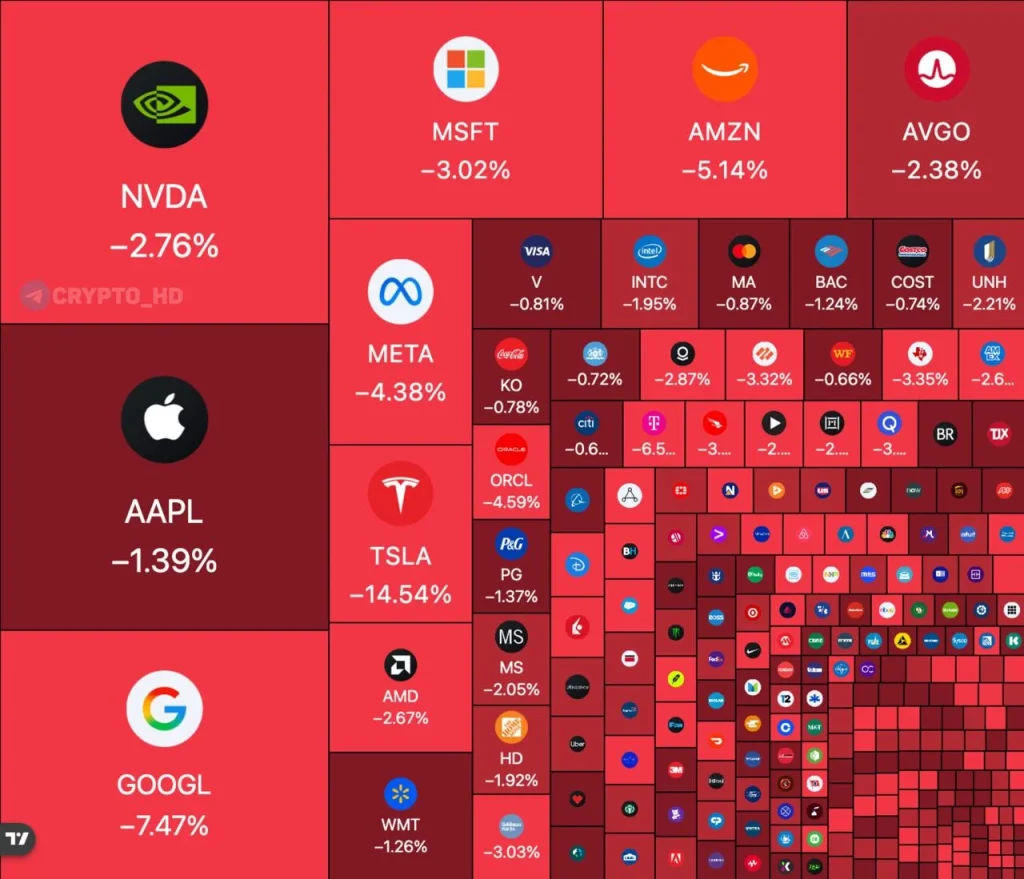
US Market Cap Drops $1 Trillion: Analyzing the Fallout
The Numbers, Unfiltered
The U.S. stock market shed approximately $1 trillion in market capitalization today. This isn’t just noise; it’s a seismic shift. As of the last report, this colossal loss underscores the volatility permeating the financial landscape. Comparatively, the S&P 500’s adjustments in March 2020 were nothing short of tumultuous, but today’s figures tell a different story, revealing vulnerabilities that might not have been fully anticipated.
Context matters. Strip away optimism, and you’re left with stark realities, like those accompanying the BitMEX shutdown rumors. A trillion-dollar dip isn’t unheard of, yet the conditions today are unprecedented. Why does this level of market contraction matter? Because it reveals underlying tensions, potent enough to affect global markets.
Historical Comparisons Offer Clarity
Compare this collapse to previous downturns. During the initial COVID-19 panic, the Dow Jones Industrial Average dropped over 3,000 points in a day. However, today’s figures come absent a singular triggering event, leading one to ponder: where’s the liquidity preserving stability? Remember March 2020? Identical setup led to imposed circuit breakers and prompted immediate policy responses.
Past behavior doesn’t always predict future trends, but it offers insights. The recent drop’s resemblance to earlier financial upheavals draws parallel scrutiny. Could policy shifts mitigate impact, as with the SEC’s trading initiative? Investors certainly pay attention to these governmental maneuvers.
Three Metrics Worth Watching Now
Look beyond the headlines. Lead with the data: market volatility, rate fluctuations, and policy changes. The VIX, often termed the fear gauge, spiked considerably. It signposts what’s to come—a market exceedingly sensitive to shifts and speculative triggers.
Interest rates remain a critical barometer. Watching crypto trends too could be insightful given these conditions. As economic pressures mount, investors ask whether rate hikes can further destabilize already fragile confidence levels.
Investor Sentiments Reposition
Sentiment drives markets. The recent loss isn’t just financial, it’s a psychological blow. Investor decisions will reflect heightened caution, potentially shifting away from riskier assets. Does that signal resurgence in safe havens like gold or increased cryptocurrency interest?
Prior shocks have seen a pivot towards stability and away from high-yield returns. Yet, as indicated by Abraxas Capital’s strategic maneuvers, today’s crypto inflections may hold unforeseen potentials.
Ripple Effects and Market Implications
Market descents of this magnitude ripple outward. Comprehensive effects impact not only stocks but policy and regulatory scrutiny. Remember the mid-2010s and Dodd-Frank regulations—policy fallout is inevitable.
The fallout touches corporate forecasts too. Earnings expectations might shift, impacting shareholder expectations and strategic decisions. All players—from retail investors to institutional bodies—must recalibrate.
The Broader Context
This is just a snapshot. The broader geopolitical landscape affects the market too. How? Trading interdependencies, global policy shifts, and fiscal tightening cannot be ignored. Markets operate within these broader frameworks, not in isolation.
Today’s loss highlights emerging realities demonstrably linked to political dynamics. Key sectors may be vulnerable, as reflected in trends and sentiments captured by prior Bitcoin movements amidst geopolitical uncertainties.
In conclusion, here’s where we stand. Market data are unambiguous. What they signify is less clear. Traders and investors navigate opaque waters, and the $1 trillion marker is both a warning and a prompt. Adapt or see portfolios falter.
For more insights and analysis, explore more on our site or engage with the international trading landscape using resources provided by MEXC.
Author: Brian J. Ried