
New macOS Malware Targets Cryptocurrency Wallets: A Growing Threat in the Crypto Space
17.07.2026 22:19
Elon Musk’s $600 Billion Loss: Implications for SpaceX and the Broader Market
17.07.2026 23:40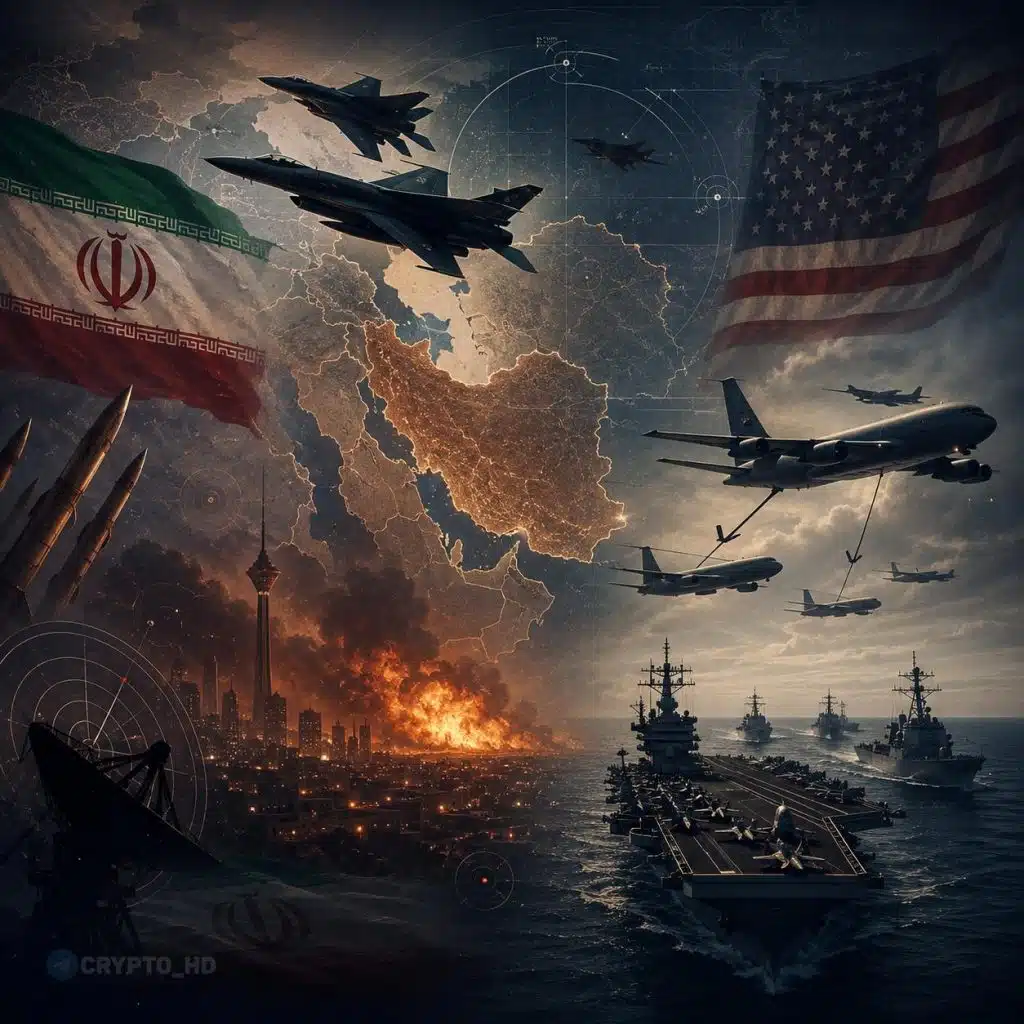
Iran’s Shift to Offensive Posture: Implications for the Geopolitical Landscape
In a significant development, Iran has signaled a readiness to abandon its defensive posture in the face of continued U.S. military actions. This strategic shift, articulated by an advisor to Iran’s Supreme Leader, underscores the escalating tensions in the region and raises critical questions about the potential impacts on global markets, particularly in the cryptocurrency sector.
Background and Context
The backdrop of this situation is rooted in a long-standing conflict between Iran and the United States, marked by a series of confrontational actions and rhetoric. The latest escalation comes as the U.S. has intensified its military presence in the Middle East, deploying additional refueling aircraft to Israel, which suggests preparations for expanded air operations or extended combat missions. This move could be interpreted as a precursor to a more aggressive stance against Iranian interests.
Historically, the relationship between the U.S. and Iran has been fraught with conflict, dating back to the 1979 Iranian Revolution that led to the overthrow of the U.S.-backed Shah and the establishment of a theocratic regime. Over the decades, sanctions, military confrontations, and proxy warfare have characterized interactions, culminating in a complex web of geopolitical tensions that have implications for global security and economic stability.
Key Data and Metrics
As the situation develops, it is crucial to consider the metrics that highlight the severity of the conflict. The U.S. Central Command (CENTCOM) has reportedly conducted airstrikes against Iranian targets for the seventh consecutive night, indicating a sustained military campaign. The U.S. has also enhanced its military capabilities in the region, with reports of dozens of additional refueling aircraft being stationed in Israel.
These military actions have significant economic implications, particularly for oil prices, which are highly sensitive to geopolitical instability. A rapid escalation in conflict could lead to supply disruptions, potentially driving oil prices upward. For instance, during previous conflicts in the Middle East, such as the Gulf War or the Iraq War, crude oil prices saw sharp increases, impacting global markets and inflation rates.
Market Analysis
The cryptocurrency market, often viewed as a hedge against traditional financial instability, may also be affected by the escalating tensions between the U.S. and Iran. As investors seek safe-haven assets in times of geopolitical uncertainty, cryptocurrencies like Bitcoin may see increased demand, driving prices higher. This behavior aligns with historical patterns where Bitcoin has surged during times of crisis, such as during the COVID-19 pandemic or the economic fallout from the 2008 financial crisis.
Moreover, the broader market sentiment can be influenced by how traditional asset classes react to the unfolding situation. Should oil prices spike due to a potential conflict, this could lead to increased volatility in stock markets, prompting investors to diversify their portfolios, possibly increasing their allocation to cryptocurrencies.
Expert Perspectives
Experts are closely monitoring the situation, with many expressing concern about the implications of Iran’s potential shift to offensive operations. Dr. Sarah Thompson, a geopolitical analyst at the International Relations Institute, argues that such a move could significantly destabilize the region, leading to a broader conflict involving neighboring countries and potentially escalating to a U.S.-Iran war.
Additionally, in the context of global economic recovery post-pandemic, any significant military escalation could derail progress, leading to a recession. The interconnectedness of global markets means that investors must remain vigilant and responsive to geopolitical developments, particularly in regions with substantial oil production.
Risks and Opportunities
With the potential for increased military action in the Middle East, both risks and opportunities arise for investors. The primary risk lies in the possibility of a full-scale conflict, which could lead to widespread economic disruption and volatility in financial markets. Investors heavily exposed to oil and gas sectors may face significant losses should supply chains be disrupted.
Conversely, the current environment may present opportunities for those willing to navigate the risk landscape. As discussed in our market analysis of the HYPE token, innovative assets may attract interest as traditional sectors face turmoil. Moreover, investors might consider diversifying into cryptocurrencies, which historically perform well in times of crisis.
Future Outlook
The immediate future remains uncertain, with Iran’s response over the next few days likely to shape the trajectory of U.S.-Iran relations. Should Iran follow through on its threats to engage in offensive operations, the ramifications could be far-reaching, impacting not just military strategies but also economic ties and energy markets globally.
In light of these developments, traders and investors must remain agile, utilizing tools and resources to stay informed. The recent report about Ethereum’s potential benefits from market shifts highlights the importance of understanding market dynamics and being prepared for rapid changes in sentiment.
Conclusion
The situation in Iran represents a pivotal moment in the ongoing geopolitical struggle between the U.S. and Iran. With tensions escalating and the potential for military conflict looming, market participants must be aware of the shifting landscape. As history has shown, geopolitical events can have profound impacts on financial markets, and the cryptocurrency sector is unlikely to be an exception. Investors would do well to monitor developments closely and adjust their strategies accordingly, balancing risk and opportunity in an increasingly complex world.