The Bear Market Dip: Analyzing the $2.24T Crypto Correction and Where Institutional Money is Flowing
14.07.2026 09:28
Binance CEO CZ Follows Invest Zone: A Milestone for Crypto Influencers
15.07.2026 11:43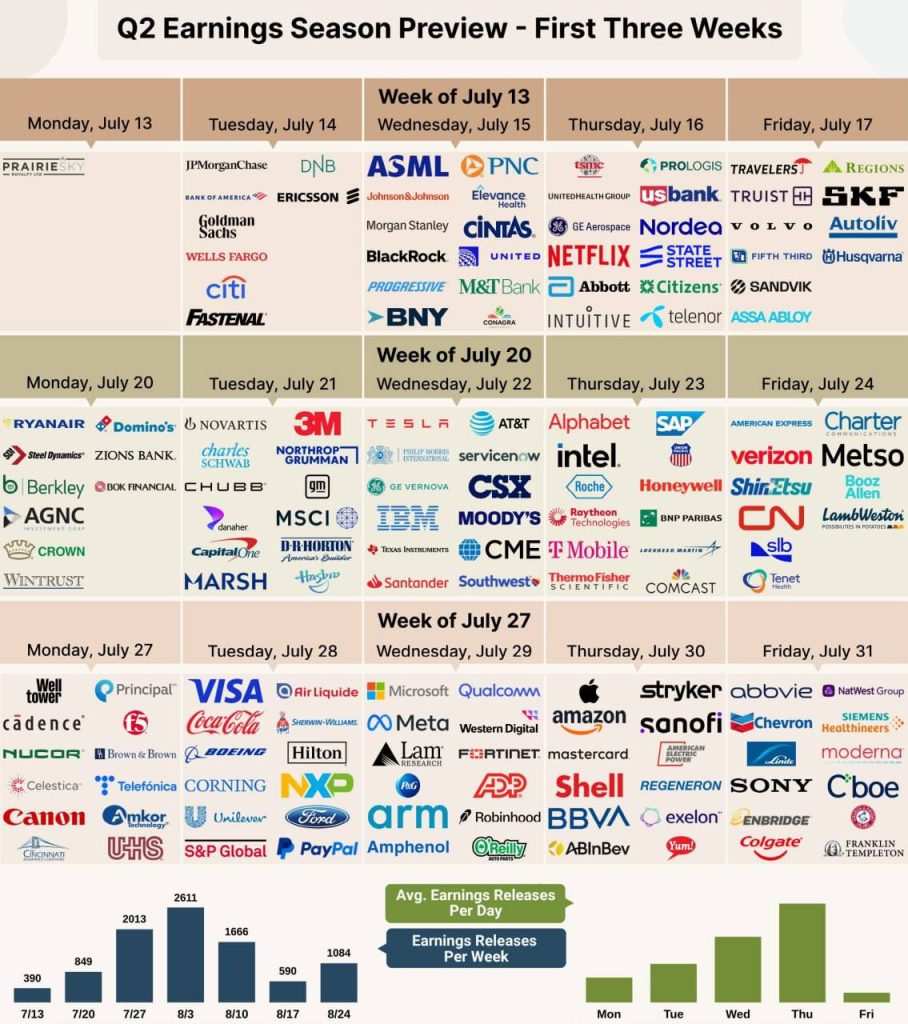
📊 Market Data Snapshot (Live)
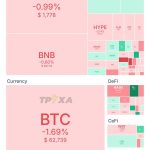
BTC/USDT Price: 62,640.49 USDT
(Data sourced from MEXC at the time of publishing.)
The Corporate Earnings Cycle and Its Impact on Crypto Adoption
As major financial powerhouses like JPMorgan, Citigroup, Wells Fargo, Bank of America, and Goldman Sachs prepare to release their Q2 2026 earnings reports, the global market will be keenly watching for signals that predict the health and trajectory of traditional finance (TradFi). For the cryptocurrency sector, these corporate reports are not just financial news; they are crucial macro indicators that signal whether institutional capital is flowing into decentralized assets or remaining confined within established banking structures.
The narrative surrounding crypto adoption has shifted dramatically. It’s no longer a niche speculative play; it is increasingly viewed by global finance as a potential hedge against systemic risk and an efficient, borderless payment rail. The upcoming earnings calls will provide invaluable insights into the appetite for non-sovereign assets.
What to Watch in the Reports:
- Interest Rate Environment: Banks’ commentary on interest rate expectations (especially from the Fed) is paramount. High rates can slow economic growth, but they also increase the attractiveness of yield-bearing digital assets like Bitcoin.
- Commercial Lending Health: A strong commercial lending sector suggests robust corporate health, which translates to more capital available for investment—including crypto. Conversely, signs of stress could trigger a flight into true safe havens.
- Digital Asset Strategy: Keep an eye on any explicit mentions of digital assets or blockchain technology in the CEO commentary. This signals that major players are integrating Web3 into their long-term corporate strategy.
The participation of firms like Morgan Stanley, BlackRock, and BNY Mellon further amplifies this importance. Their reports will not only reflect current market conditions but also guide future investment strategies for trillions of dollars in global capital.
Bitcoin’s Unique Position as a Hedge
In times of corporate uncertainty or geopolitical stress, Bitcoin has consistently proven itself to be the ultimate non-sovereign asset. Unlike fiat currencies, which are subject to national policy changes and inflation, Bitcoin’s supply is finite and its value proposition is purely decentralized.
This inherent resilience makes it a prime candidate for institutional treasuries looking to diversify away from traditional banking risks. This trend of seeking alternatives is echoed by major state-backed funds, such as the one signaled by Japan’s pension fund interest in alternative assets The Great Capital Shift: How Japan’s $1.8T Pension Fund Signals the Mainstreaming of Alternative Assets.
Systemic Risk and Decentralization
Furthermore, recent events have highlighted the fragility of centralized systems. The deep dive into hacks like the Bonzo Finance exploit serves as a stark warning that even sophisticated DeFi protocols are vulnerable to systemic risks Bonzo Finance Hack Analysis: A Critical Lesson in DeFi Security and Oracle Risk. This vulnerability only strengthens the argument for decentralized, permissionless infrastructure like Bitcoin.
The need for true decentralization is also underscored by regulatory crackdowns globally. For example, Thailand’s crackdown on USDT highlights that even stable assets are subject to jurisdiction-specific compliance risks The Global Regulatory Squeeze: How Thailand’s USDT Crackdown Signals a New Era of Crypto Compliance.
Ultimately, while corporate earnings reports are vital for understanding the current economic cycle, they only reinforce one central truth: the global capital flow is moving toward assets that cannot be controlled by any single government or institution. This macro trend makes Bitcoin an increasingly compelling investment thesis.
Conclusion & Next Steps
The upcoming Q2 earnings season provides a snapshot of TradFi’s current health, but the long-term trajectory points away from centralized control and toward decentralized digital assets. To navigate this complex market landscape and capitalize on institutional shifts, staying informed is key. We recommend exploring advanced trading strategies and securing your portfolio with reliable tools.
🚀 Ready to Trade the Macro Trends?
Don’t let market uncertainty pass you by. Join thousands of traders who are already leveraging MEXC for secure, high-liquidity trading.