The Bullish Cycle Continues: Analyzing the Green Zone Market Momentum and BTC’s Structural Strength
11.07.2026 17:39
The Whale Watch: Interpreting Massive BTC Movements and Institutional Cycles | MEXC Analysis
11.07.2026 20:49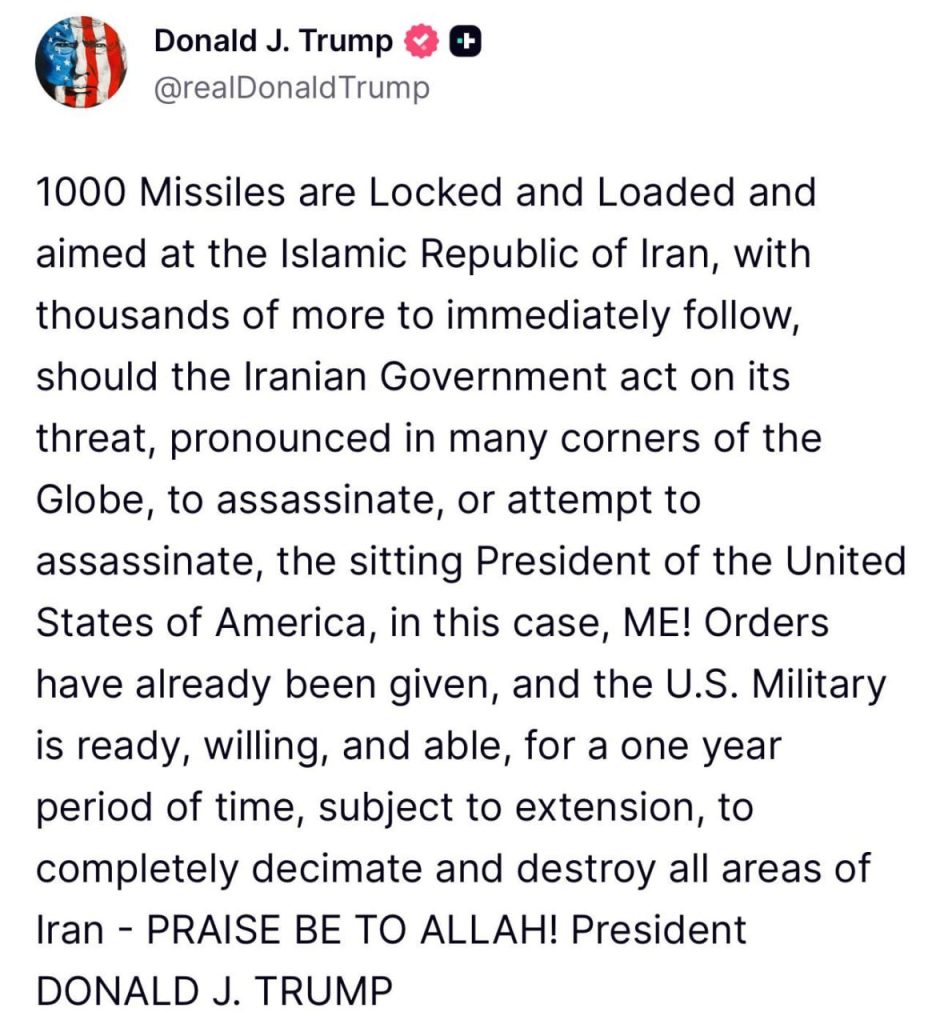
The Ultimate Digital Safe Haven: How Geopolitical Tensions Drive Capital into Bitcoin
In the complex and volatile world of global finance, geopolitical instability has become one of the most significant drivers of capital movement. When traditional financial systems face threats from state-level conflict or regulatory uncertainty, investors historically seek refuge in assets that are decentralized, borderless, and outside the control of any single government. This is where Bitcoin (BTC) shines brightest.
The recent reports detailing potential military action by the US against Iran serve as a stark reminder of how quickly global tensions can escalate. Such high-stakes geopolitical risks do not just affect oil prices; they fundamentally challenge the stability of fiat currencies and centralized financial institutions, thereby increasing demand for decentralized assets like Bitcoin.
Understanding Geopolitical Risk and BTC’s Role
Bitcoin’s core value proposition is its **sovereignty**. It operates on a decentralized network that cannot be shut down or controlled by any single nation-state. This inherent resistance to political interference makes it the ultimate hedge against geopolitical risk. When global markets are rattled by conflicts—whether in the Middle East, Eastern Europe, or elsewhere—investors tend to de-risk their portfolios by allocating capital into non-sovereign assets.
This concept is further validated by observing how Bitcoin has historically reacted to major crises. While some analyses suggest initial dips during conflict, BTC’s long-term recovery and sustained accumulation phases demonstrate its resilience as a store of value over decades, not just months. For those interested in the broader structural shifts that underpin this resilience, we recommend reading Geopolitical Tensions and the Digital Safe Haven: How Trump’s Iran Talks Boosted Bitcoin | MEXC Analysis, which details how political events directly impact BTC sentiment.
The Macroeconomic Backdrop: Beyond Conflict
It is crucial to understand that geopolitical risk rarely acts in isolation. It interacts with broader macroeconomic forces like inflation, interest rates, and central bank policies. When global tensions rise, they often contribute to inflationary pressures, devaluing fiat currencies—a primary driver for seeking hard assets like Bitcoin.
For a deeper dive into this complex relationship, understanding The Macroeconomic Tug-of-War: How Fed Decisions, Inflation, and Rates Shape Crypto’s Future is essential for any serious investor. The interplay between central bank actions and global instability dictates the overall risk appetite in the crypto market.
Crypto Market Psychology: When Fear Meets Opportunity
Geopolitical uncertainty often amplifies emotional trading behavior. Investors can become panic-driven (Fear) or overly optimistic (Greed). This cycle creates predictable opportunities for disciplined investors. The Crypto Fear & Greed Index is a perfect tool to measure this sentiment, and historically, periods of extreme fear have preceded major accumulation cycles.
This principle is vital for risk management. When the market feels overwhelming fear, it signals that smart money may be viewing current prices as significantly undervalued. Learning how to interpret these emotional swings is key to long-term success, as detailed in The Crypto Market’s Emotional Rollercoaster: Decoding Extreme Fear and Identifying Accumulation Zones | MEXC Analysis.
Strategic Investment Considerations
While Bitcoin is the primary beneficiary of geopolitical risk, other sectors also provide valuable insights into market health. The continued institutional interest in digital assets, evidenced by massive capital inflows like those seen with spot ETFs, confirms that global finance is accepting BTC’s role as a legitimate asset class. Furthermore, understanding how these macro trends affect altcoins—such as the potential for USDC’s Institutional Leap: How Bank Charters are Bridging TradFi and the Future of Digital Currency—provides a holistic view of the entire Web3 landscape.
**📊 Live Market Data Snapshot (MEXC):**
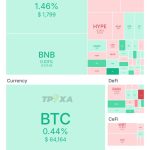
* **BTC/USDT Price:** 64,211.04 USDT
* **24h Change:** -0.31%
* **Analysis:** Despite geopolitical headlines causing temporary volatility, the price remains supported by strong institutional accumulation and underlying macro-economic resilience.
**Conclusion: The Unshakeable Value of Decentralization**
The threat of military conflict in regions like the Middle East only reinforces one immutable truth: decentralized digital assets offer a level of financial autonomy that centralized systems cannot match. Bitcoin’s scarcity, combined with its global resistance to state control, solidifies its position as the premier hedge against geopolitical instability and fiat devaluation.
***
**Disclaimer:** This article is for educational purposes only and does not constitute financial advice. Cryptocurrency investments are highly volatile. Always conduct your own research (DYOR) before making any investment decisions.
**🚀 Ready to Trade with Confidence?**
Don’t let global uncertainty dictate your portfolio strategy. Secure your trading edge and participate in the future of finance today by trading on MEXC: 🚀 Trade on MEXC
***