

Crypto Landscape: Bear Market Culls Weak Projects in 2026
24.07.2026 18:33
Bitcoin’s Sellers Are in Profit: Are We Tipping Into a Bull Market?
24.07.2026 21:14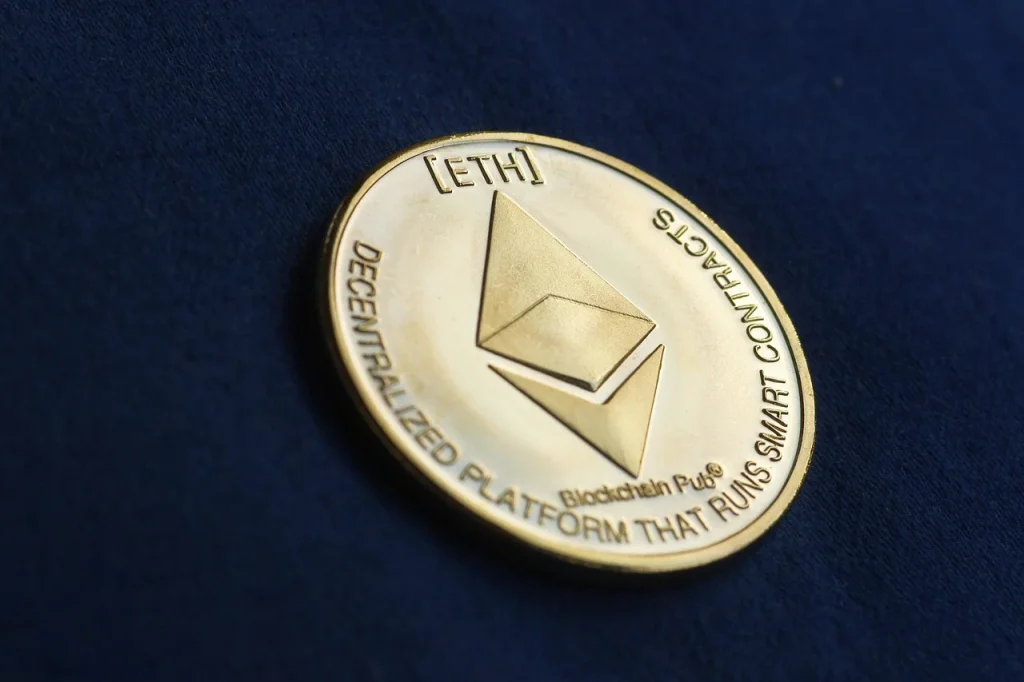
Cardano’s AI Challenge: Are Cryptos Ready?
The Record, Actually: AI’s Role in Cybersecurity
Let’s be precise about what we actually know. Charles Hoskinson, the founder of Cardano, recently highlighted a significant shift in the cybersecurity landscape due to AI technologies. According to him, the traditional software vulnerabilities are escalating rapidly, rendering the old mantra of “release fast” obsolete. The assertion is that AI-driven hacking capabilities could outpace current security protocols, posing an existential threat to the crypto industry.
This isn’t just idle speculation. In March 2023, similar concerns were raised when AI tools demonstrated capabilities to exploit vulnerabilities in blockchain networks, as discussed in our Crypto Landscape analysis. The increasing sophistication of cyber threats calls for an evolution in blockchain security approaches.
But the record shows something different: the crypto industry has been aware of these challenges for years. Past incidents, such as the infamous DAO hack in 2016, already demonstrated the need for robust security measures. The question now is whether AI exacerbates this issue or presents an entirely new frontier of threats.
What the Announcement Skips: The Insurance Gap
The announcement skips over the fact that insurance mechanisms for non-custodial wallets and blockchain bridges remain largely theoretical. Hoskinson suggests that insurance could incentivize projects to adopt higher security standards, yet there’s little detail on how this would be practically implemented or regulated.
Existing insurance models in crypto are sparse and often exclude high-risk assets. The BitMEX case, detailed in our BitMEX Lawsuit article, shows how complex legal frameworks can be when dealing with digital assets. Without a clear regulatory path, the idea of insuring decentralized systems could remain just that—an idea.
Moreover, introducing insurance doesn’t automatically translate to enhanced security. It could lead to moral hazard, where projects take greater risks, relying on insurance as a safety net. Thus, the feasibility of such insurance models remains a critical unknown.
The Variable Nobody’s Accounting For: ZK Technology
Hoskinson emphasizes Cardano’s focus on Zero-Knowledge (ZK) technologies as a means to enhance security and privacy. These technologies allow users to prove ownership without revealing their identities or transaction details. This could revolutionize how identity and privacy are managed in crypto ecosystems.
Yet, this assumes widespread adoption of ZK protocols, which hasn’t been verified because of their complexity and computational intensity. The record shows that while ZK technology is promising, it is not yet mainstream. As noted in our Samsung Wallet analysis, tech adoption can lag due to both consumer unfamiliarity and technical hurdles.
Additionally, the integration of ZK technologies into regulatory frameworks poses a significant challenge. Balancing privacy with compliance is a complex endeavor, particularly when considering global regulatory disparities.
The Claim vs. The Filing: Web2 Meets Web3
Hoskinson envisions a future where Web2 and Web3 seamlessly integrate, driven by AI, digital identity, and privacy. This integration is touted as a catalyst for crypto mass adoption. However, this assumes the infrastructure and regulatory environment are ready to support such a transition.
Historically, the merging of technological paradigms has been fraught with challenges. The gradual adoption of cloud computing serves as a cautionary tale; it took years for businesses to fully embrace cloud solutions despite clear benefits. The crypto sector could face similar hurdles, as discussed in our South Korea article.
Moreover, regulatory bodies have been slow to adapt to blockchain technologies, let alone the complexities of Web3 integration. Without clear guidelines, the path to merging these technologies remains uncertain.
What We Don’t Know Yet: Corporate Competition
Hoskinson warns that the real competition for cryptocurrencies now comes from large corporations like Google and JPMorgan, which are developing their own blockchain infrastructures. This shifts the competitive landscape, as these entities have far greater resources and established market presence.
This development is not without precedent. Large tech companies have historically disrupted industries by leveraging their scale and technological prowess. For instance, Amazon’s entry into cloud services redefined the sector, challenging established players.
For blockchain projects, this corporate interest could either drive innovation or consolidate power in the hands of a few, potentially undermining the decentralized ethos of cryptocurrencies. The implications of such a shift need careful scrutiny.
The Missing Perspective: Ethereum’s Vulnerabilities
Hoskinson points out potential vulnerabilities in Ethereum’s governance model, particularly the absence of an on-chain treasury and voting mechanisms. This could leave Ethereum exposed to corporate influence, impacting its decentralized governance.
Ethereum’s challenges are not new. The platform has faced criticism for its scalability issues and governance decisions, as highlighted in our Bitcoin Liquidations article. The lack of formal governance structures could indeed be a vulnerability.
However, Ethereum’s community has historically been resilient, often adapting and evolving in response to internal and external pressures. Whether these vulnerabilities will be addressed remains an open question, but the community’s track record suggests a capacity for innovation and reform.
Conclusion? No, Just Unanswered Questions
Hoskinson’s points raise critical issues about the future of blockchain technology and its intersection with AI. Yet, what the announcement still doesn’t explain is who audited the reserve figures for Cardano’s proposed insurance models—and when. That gap matters.
Additionally, the market’s readiness for such a rapid evolution in technology and regulation remains unverified. The on-chain data for this period has not been independently verified. That gap matters.
Author: Betty Coleman