
Ethereum Surpasses $1,900: What This Means for the Market
15.07.2026 16:07
Ethereum’s Surge: A Deep Dive into the $400 Rally and Its Implications for Investors
15.07.2026 16:19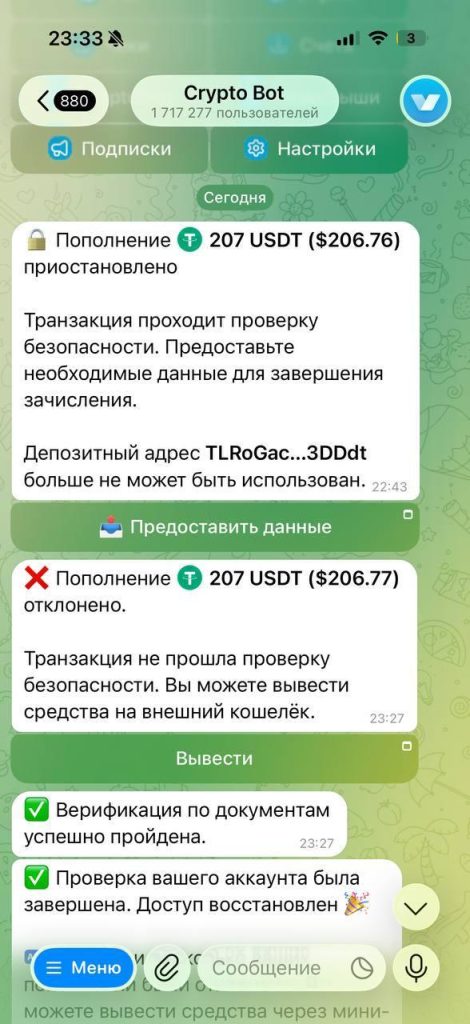
Understanding the Impact of Regulatory Trends on Cryptocurrency Transactions
In recent weeks, the cryptocurrency landscape has been shaken by emerging regulatory trends that have significant implications for traders and investors alike. With reports from sources like Coin Post highlighting the proactive measures taken by platforms like Crypto Bot in Telegram, we are witnessing a shift in how transactions, especially those involving stablecoins like USDT, are monitored. This article delves into the ramifications of these changes, the underlying reasons, and what traders should be aware of moving forward.
Background and Context
The cryptocurrency market has always operated in a grey area, with platforms often straddling the line between compliance and non-compliance. Recent developments suggest a tightening grip on platforms that may not adhere to regulatory standards. The case of HTX, a cryptocurrency exchange, serves as a pivotal example. It has come under scrutiny for potentially operating without appropriate licensing, raising flags about the legitimacy of transactions originating from it.
As Crypto Bot begins to block certain USDT transactions and flag them for additional scrutiny, it raises the question of what constitutes a “licensed” exchange in today’s market. The lack of clear guidelines can lead to confusion for traders who may inadvertently use services that are classified as unlicensed or non-compliant. This ambiguity not only threatens individual transactions but also poses systemic risks to the broader market.
Key Data and Metrics
As of October 2023, the cryptocurrency market capitalization is estimated at over $2.5 trillion, with Bitcoin and Ethereum making up a significant portion of this value. However, the emergence of decentralized exchanges (DEX) and cross-chain bridges has complicated the regulatory landscape. Data from a recent report indicates that nearly 60% of transactions involve tokens transferred through bridges, which are now under heightened scrutiny. The question remains: how do these platforms ensure compliance while maintaining user privacy?
Furthermore, the percentage of users engaging with unlicensed exchanges has surged, with estimates suggesting that around 30% of crypto users have transacted through platforms that lack proper regulatory oversight. This trend could lead to increased risk exposure for investors, as transactions from these exchanges may be flagged and restricted by larger, compliant entities.
Market Analysis
The current state of the cryptocurrency market is a reflection of these regulatory challenges. Bitcoin’s price, for instance, has experienced fluctuating volatility, recently hovering around $30,000. This price action has been influenced by market sentiments regarding regulatory compliance. As exchanges like HTX face increased scrutiny, traders may choose to withdraw or transfer assets to more reputable platforms, further impacting liquidity.
Moreover, the overall market sentiment appears to be shifting. Investors are becoming more cautious, as evidenced by a 20% decrease in trading volume on non-compliant exchanges since the beginning of October. The potential for further regulatory actions looms large, and traders must stay informed to navigate these turbulent waters effectively.
Expert Perspective
Industry experts emphasize the need for clarity and transparency in the regulatory framework governing cryptocurrencies. According to a recent statement by a leading regulatory analyst, “The future of cryptocurrency relies heavily on how well platforms can adapt to changing regulations. Those that fail to comply may find themselves facing severe consequences, including the freezing of assets and loss of user trust.”
Furthermore, the rise of DEX has introduced unique challenges. While they offer traders the anonymity and freedom they desire, they also present significant risks as they often operate outside traditional regulatory frameworks. Experts suggest that there is a pressing need for DEXs to develop self-regulatory measures that can help mitigate risks associated with compliance without sacrificing user privacy.
Risks and Opportunities
The ongoing regulatory evolution presents both risks and opportunities for traders. On one hand, the potential for increased scrutiny can lead to disruptions in trading activities, as evidenced by the reluctance of some partners in the Coin Post network to accept transactions from wallets associated with bridges. This indicates a growing concern over the legitimacy of funds and could deter new investors from entering the space.
On the other hand, this regulatory environment could pave the way for more robust frameworks that enhance security and trust in cryptocurrency transactions. As compliance becomes the norm, legitimate platforms may benefit from increased adoption by institutional investors seeking security in their transactions. This transition could lead to a more stable and sustainable growth trajectory for the cryptocurrency market.
Future Outlook
Looking ahead, the trajectory of the cryptocurrency market will largely depend on how regulations evolve. It’s crucial for traders to remain vigilant and informed about potential changes. As platforms like Crypto Bot implement stricter transaction monitoring, traders may need to adapt their strategies accordingly.
Moreover, there is a growing sentiment that regulatory bodies will start to define clearer guidelines for both centralized and decentralized platforms. This could lead to a more structured environment where compliance is prioritized, ultimately fostering greater trust in the cryptocurrency ecosystem.
Conclusion
In conclusion, the shifting regulatory landscape poses both challenges and opportunities for the cryptocurrency market. As seen with the recent actions of Crypto Bot and the scrutiny surrounding exchanges like HTX, traders must be proactive in understanding how these developments impact their transactions. Staying informed and adapting to these changes will be crucial for navigating the evolving market landscape.
For those looking to deepen their understanding of the market dynamics, articles such as Ethereum Surpasses $1,900: What This Means for the Market and The Ripple Effect of Recent U.S. Economic Data on Bitcoin and Ethereum Markets provide valuable insights into how broader economic factors intertwine with regulatory developments.