
The Developer Economy: Decoding Top DeFi Projects by Activity and What It Means for Crypto Investment | MEXC Analysis
09.07.2026 00:13Institutional BTC Selling Signals Are Not Red Flags: A Guide to Market Resilience | MEXC Analysis
09.07.2026 01:09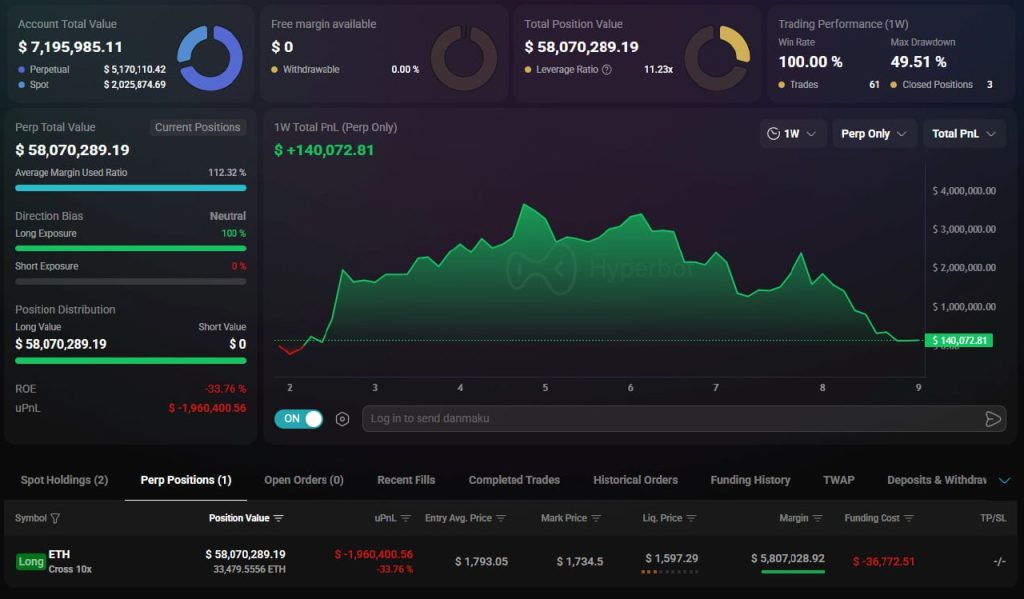
The Whale Whisperer: Decoding Major ETH Trading Patterns and What It Means for Crypto Investors | MEXC Analysis
In the volatile world of cryptocurrency, tracking the movements of “whales”—large holders with massive capital—is considered a critical edge. These whales often move markets before retail traders even realize it. The recent activity observed from major ETH whale wallets suggests that institutional players are actively accumulating and managing their exposure to Ethereum ($ETH), signaling strong underlying confidence in its utility and long-term value.
The Significance of Whale Activity
Whale movements provide a valuable, albeit indirect, indicator of market sentiment. When large holders like the one observed recently—who have successfully executed multiple profitable trades over a short period—are accumulating assets or making strategic moves, it suggests they see significant value that the general market might be overlooking. This activity is often driven by deep analysis of Ethereum’s core utility and its role in the global decentralized finance (DeFi) ecosystem.
Ethereum’s Core Utility: The DeFi Engine
The primary driver behind sustained whale interest in ETH is its foundational role as the backbone of Decentralized Finance. Every major protocol, from lending platforms to advanced yield strategies, runs on Ethereum. This continuous development and utility expansion ensure that $ETH remains a high-demand asset class.
The Developer Economy: Decoding Top DeFi Projects by Activity… highlights the sheer volume of development happening on Ethereum, which is a key factor in maintaining whale interest and driving long-term value.
Analyzing ETH Trading Patterns
Whales don’t just buy; they execute complex patterns. The recent pattern—closing multiple profitable trades while holding a large long position—is indicative of disciplined risk management combined with strong conviction. This suggests the holder is not merely speculating but is positioning for a major structural market shift.
- Accumulation: Buying steadily during dips, suggesting they believe the asset will rise regardless of short-term volatility.
- Profit Taking/Rebalancing: Selling small portions after gains to lock in profits while maintaining core exposure (the long position).
Understanding these patterns helps traders adopt a more disciplined approach, focusing on utility and structural growth rather than chasing quick pumps.
Macro Context: Why Whales Care About ETH
Whale behavior is never isolated; it’s always influenced by the global macro environment. When geopolitical tensions rise or central banks signal rate changes, capital flows shift dramatically. Ethereum, with its established position as a decentralized asset, often benefits from this flight to safety.
Geopolitical Shockwaves: US Strikes on Iran… demonstrates how real-world risks drive capital into decentralized, resilient assets like ETH.
Furthermore, the broader monetary policy landscape matters. The Federal Reserve’s stance on rates directly influences global liquidity and risk appetite for all crypto assets. For a full picture of this macro pressure, review The Fed’s Stance on Rates: What It Means for Bitcoin and the Broader Crypto Market…
Risk Management & The Next Frontier
While whale activity signals confidence, it also serves as a warning. Large movements can trigger cascading liquidations if market sentiment suddenly shifts. This underscores the absolute necessity of rigorous risk management.
The Anatomy of a Liquidation Cascade: Analyzing the $87M ETH Short… provides a crucial lesson on how quickly leveraged positions can fail, regardless of underlying asset strength.
In conclusion, while whale activity is exciting to watch, retail traders must remain grounded. The long-term value proposition of Ethereum—its role in DeFi and its technological advancement—remains the most reliable indicator. To participate in this market with confidence and proper risk management, utilize MEXC:
Disclaimer: This article is for educational purposes only and does not constitute financial advice. Always conduct your own research (DYOR) before making investment decisions.