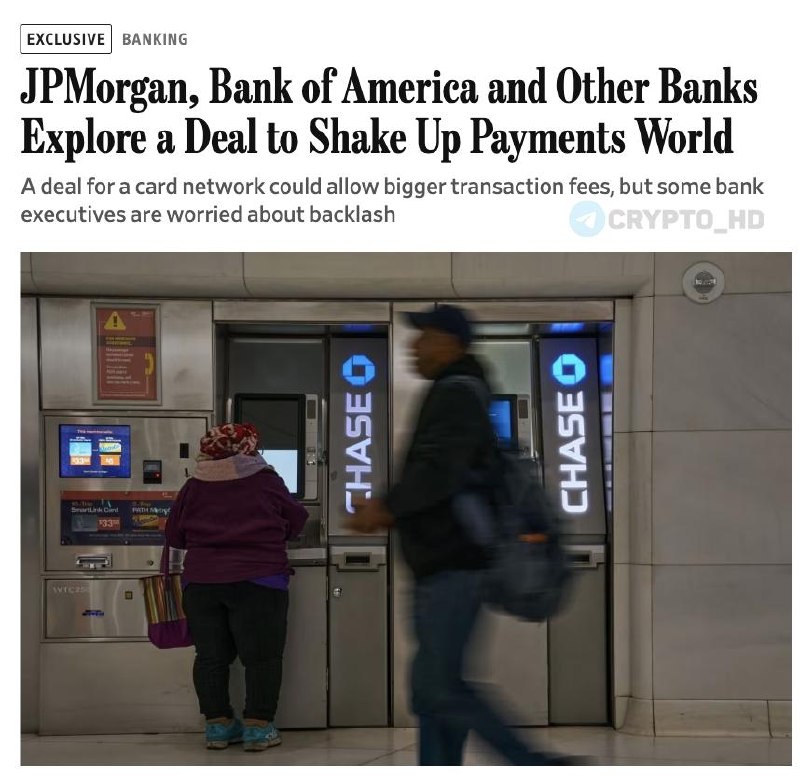
The Battle for Payments Dominance: How Big Banks Are Adapting to the Crypto Revolution | MEXC Analysis
07.07.2026 09:33The Global Connectivity Revolution: How Starlink is Redefining Infrastructure and Opportunity | MEXC Analysis
07.07.2026 11:32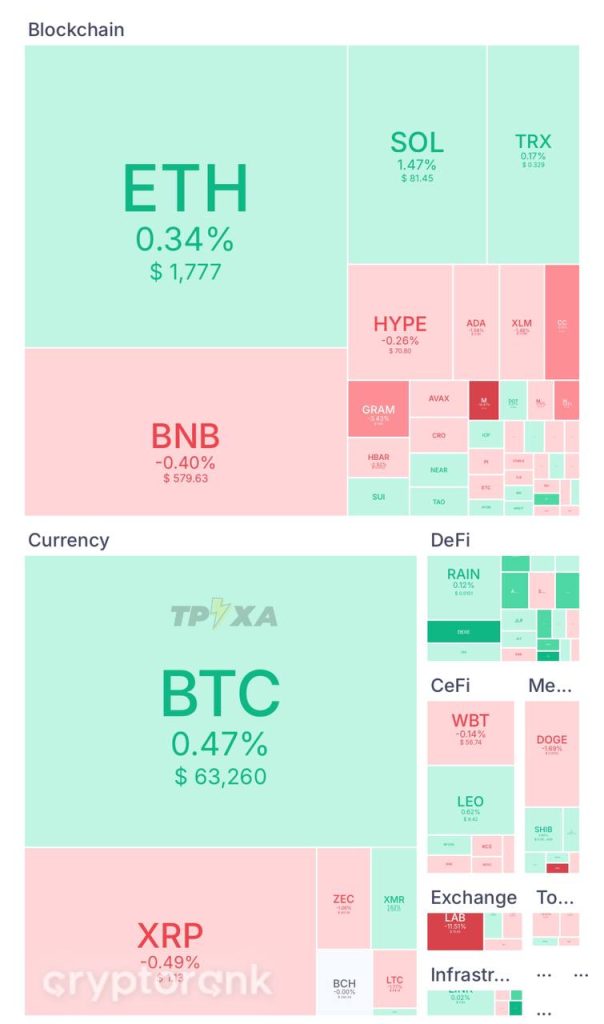
Market Snapshot & Analysis: Navigating Extreme Fear, Whale Accumulation, and BTC’s Resilience
The cryptocurrency market is currently displaying a classic pattern of high volatility mixed with deep institutional conviction. With Bitcoin (BTC) trading at **$63,383.72 USDT** (up 0.47% in the last 24 hours), Ethereum (ETH) climbing to $1777 (+0.34%), and Solana (SOL) leading gains (+1.47%), the overall market capitalization stands at a robust **$2.26 Trillion**. However, the most telling metrics are not the daily percentages but the underlying sentiment indicators.
📉 The Power of Extreme Fear: A Contrarian Signal
The current reading on the Fear & Greed Index is **28 (Extreme Fear)**. Historically, this level signals that the majority of retail investors have become overly pessimistic and are panic-selling. From a contrarian investing perspective, such extreme fear often marks the point where “smart money”—institutional whales—begin to accumulate assets at deeply discounted prices. This suggests that while short-term sentiment is negative, long-term capital flow remains bullish.
🐋 Whale Accumulation vs. Corporate Selling: The Core Conflict
The recent activity from major ‘whales’ provides a powerful counter-narrative to the selling pressure seen from corporate entities like MicroStrategy (MSTR) and Grayscale. While figures like Michael Saylor continue their BTC sales, large capital wallets are aggressively opening multi-million dollar long positions across both BTC and ETH. This indicates that top-tier investors view these corporate sales as mere “market noise” or a predictable cyclical event, rather than a fundamental weakness in the assets themselves.
This divergence is critical: The market’s structural demand (whales accumulating) appears to be stronger than the short-term selling pressure from centralized entities. For a deeper understanding of this dynamic, review Whale Alert: Massive Long Positions Signal Strong Bullish Conviction for BTC & ETH.
🌐 Macro Context and Market Structure
The market’s resilience is also supported by the broader macro environment. The fact that major banks are actively exploring payment network acquisitions, as detailed in The Battle for Payments Dominance: How Big Banks Are Adapting to the Crypto Revolution, confirms that traditional finance is not ignoring crypto; it is actively trying to integrate or control it. This institutional interest provides a powerful structural tailwind.
Furthermore, the global currency environment (e.g., USD/JPY tension) creates massive capital flow opportunities. Understanding this broader picture helps traders manage risk and capitalize on macro-driven movements The Macro-Crypto Nexus: Decoding Institutional Moves Amid Global Economic Shifts.
🛠️ Strategic Takeaways for Traders
For traders, the current market snapshot suggests a high probability of a bounce or consolidation phase:
- Contrarian Buying: The “Extreme Fear” index (28) is a classic contrarian buy signal. Smart money often buys when fear is highest.
- Focus on Accumulation: Prioritize assets showing consistent accumulation from institutional sources over short-term price action.
- Manage Risk: Never trade based solely on sentiment. Always use technical analysis and risk management tools, such as those detailed in The Danger of Paid Crypto Trading Signals: A Guide to Risk Management.
In conclusion, the current market is a battleground between short-term panic (Extreme Fear) and long-term structural demand (Whale Accumulation). The institutional conviction remains high, suggesting that any dip should be viewed as a buying opportunity for well-capitalized traders.
🚀 Ready to Trade with Confidence?
Access the global liquidity needed to capitalize on these market movements. Join MEXC today:
Disclaimer: This content is for informational purposes only and does not constitute financial advice. Always conduct your own research (DYOR).