
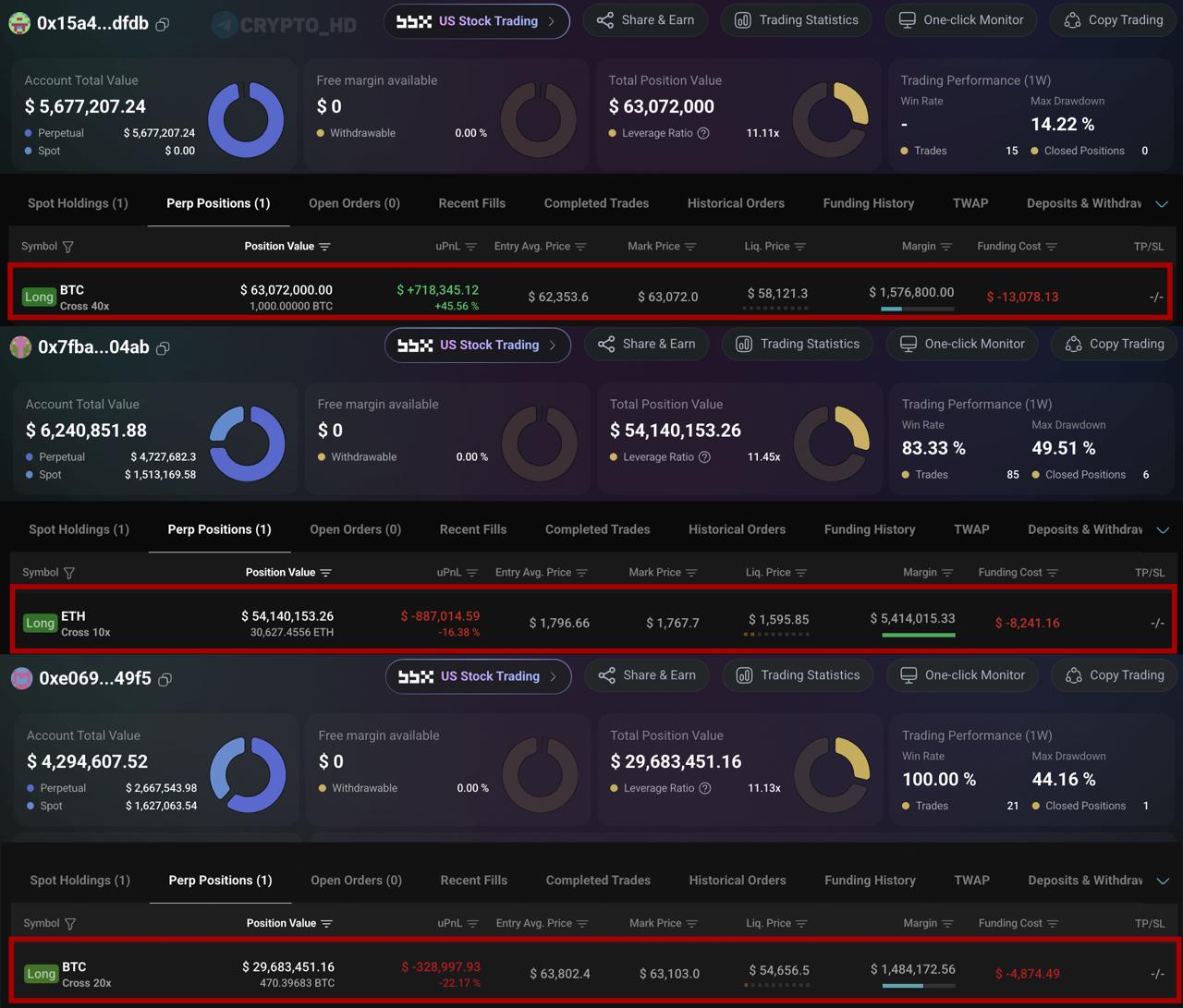
🐳 Whale Alert: Massive Long Positions Signal Strong Bullish Conviction for BTC & ETH | MEXC Analysis
07.07.2026 08:33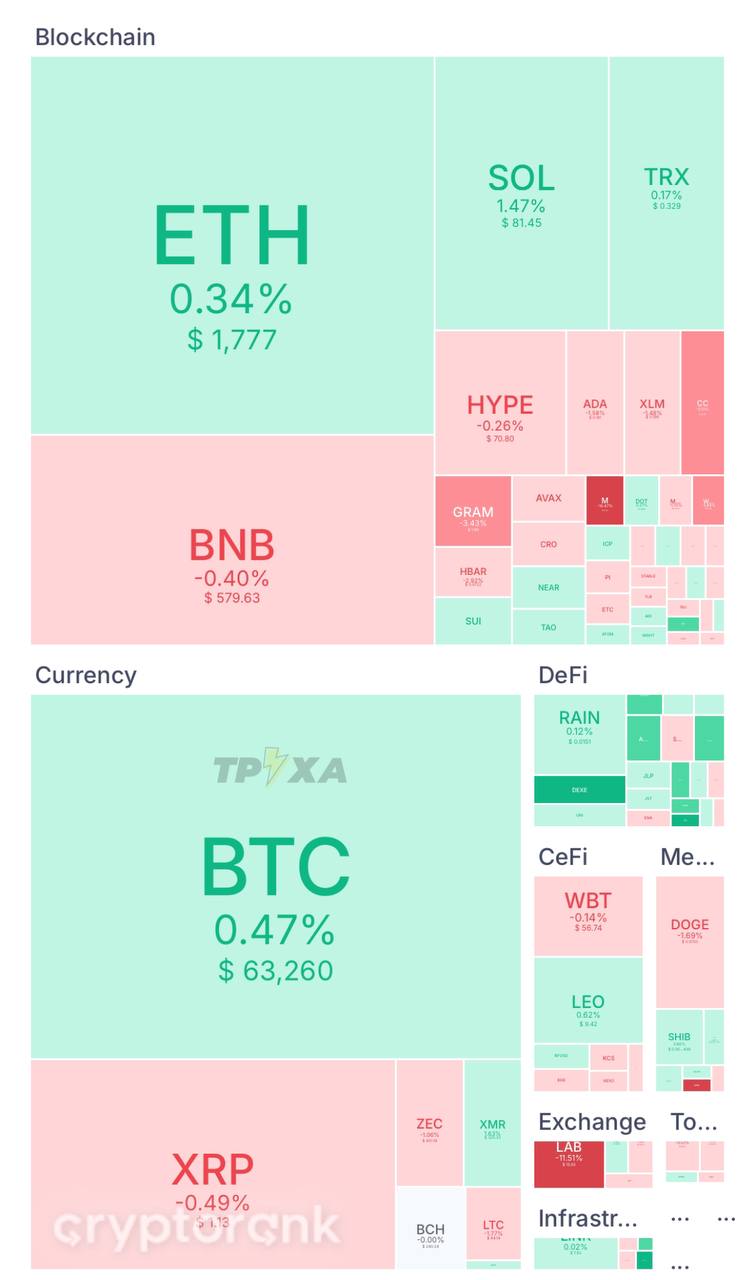
Market Snapshot & Analysis: Navigating Extreme Fear, Whale Accumulation, and BTC’s Resilience | MEXC Analysis
07.07.2026 10:17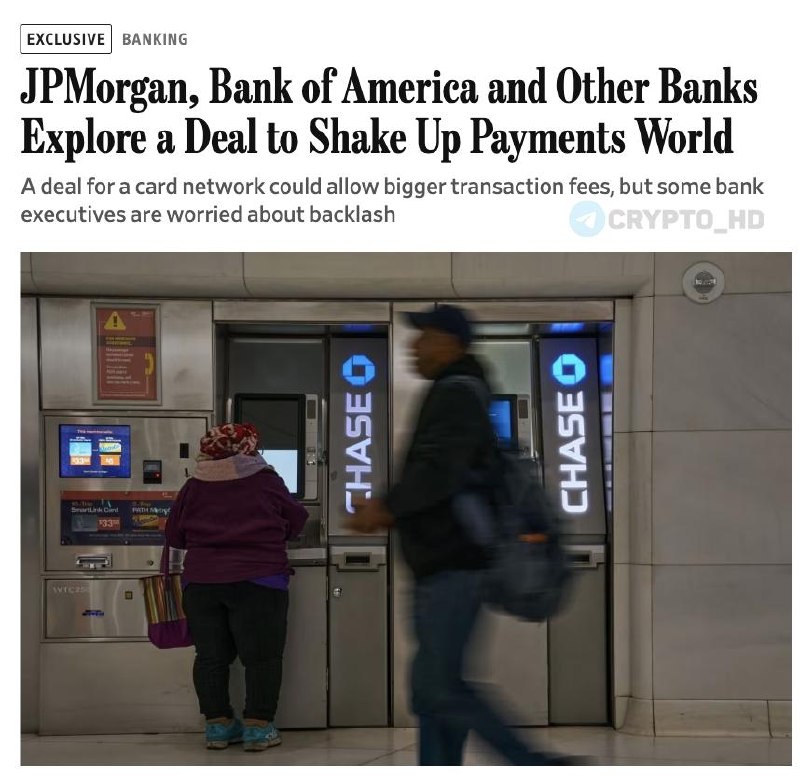
The Battle for Payments Dominance: How Big Banks Are Adapting to the Crypto Revolution
Major US financial giants, including JPMorgan Chase, Bank of America, Wells Fargo, and PNC, are reportedly exploring a significant deal to acquire a major payment network like Fiserv. This move is not merely about corporate expansion; it represents a critical defensive maneuver by traditional finance (TradFi) to protect revenue streams and maintain control over the global payments infrastructure in the face of disruptive technologies—most notably, cryptocurrencies.
🏦 The Core Problem: Losing Control Over Fees
The primary motivation behind these discussions is financial self-preservation. By owning a payment network (such as Fiserv’s STAR or Accel debit networks), banks could potentially bypass existing federal regulations and interchange fee caps placed on traditional debit card transactions. In essence, they seek to control the entire value chain—from the point of sale to the final settlement—to maximize their profit margins.
This desire for vertical integration is a direct response to market pressures. The rapid development of decentralized finance (DeFi) and instant cross-border crypto payment rails are fundamentally challenging the existing, fee-based model that has sustained major banks for decades. Crypto offers an alternative—a peer-to-peer system that bypasses intermediaries.
🌐 How Crypto Disrupts Traditional Payments
The payments industry is at a historical inflection point. Before crypto, transactions were slow and expensive across borders. Now, cryptocurrencies like Bitcoin (BTC) offer near-instant settlement globally, with fees that are often transparent and significantly lower than traditional SWIFT or card network charges. This efficiency gap is the existential threat to legacy banking models.
The bank’s reaction—attempting to buy a payment network—is an attempt to build a “digital moat.” They want to control the rails so that when crypto inevitably becomes mainstream, they are positioned to profit from the transition rather than being bypassed by it. This strategic move is part of a larger trend where financial institutions seek to maintain relevance in a decentralized world.
💡 Strategic Implications for Crypto Investors
For investors, this development provides two key takeaways:
- Validation of Disruption: The fact that these banks are spending billions and exploring acquisitions confirms that the crypto threat is real and systemic. It validates the thesis that digital assets represent a fundamental shift in global finance.
- The Race for Infrastructure: This signals that the battleground is shifting from *if* crypto will succeed, to *how* it will be integrated into existing financial plumbing. Banks are not abandoning payments; they are trying to co-opt them.
This tension between established finance and decentralized innovation is a core theme in The Macro-Crypto Nexus: Decoding Institutional Moves Amid Global Economic Shifts, showing how global capital flows are constantly reshaping the financial landscape.
🛡️ The Unstoppable Force of Decentralization
While banks attempt to build digital moats, they face structural limitations. They must adhere to complex regulatory frameworks and legacy IT systems. In contrast, Bitcoin’s decentralized nature—its ability to operate without a single point of control or permission—is its ultimate strength. This fundamental difference is the core argument presented in Bitcoin vs. State Control: Why Decentralization Offers True Financial Freedom.
Furthermore, this entire sector’s growth is underpinned by massive institutional confidence. The continuous accumulation of BTC and ETH by firms like BlackRock proves that the belief in digital assets transcends temporary regulatory fears or payment network acquisitions. You can read more about this structural demand here: BlackRock’s Massive BTC & ETH Accumulation Signals Major Market Shift.
🚀 Conclusion and Action Plan for Traders
The news that major banks are fighting to control payment networks is a powerful confirmation of the crypto revolution. It shows that even the most entrenched financial powers recognize the irreversible shift happening in global finance. For traders, this means that while regulatory battles continue, the underlying demand for decentralized assets remains robust.
To participate in this resilient and rapidly evolving market with confidence, access a world-class exchange that supports global trading pairs:
🔗 Trade with Confidence on MEXC: MEXC Referral Link
📊 Current Market Snapshot
- Bitcoin (BTC/USDT): 63,117.46 USDT (Up 0.16% in 24h)
***
*Source Material:* WSJ report detailing discussions between JPMorgan, Bank of America, Wells Fargo, and PNC regarding the acquisition of a payment network like Fiserv.
**Tags:** Bitcoin, Payments, FinTech, Macroeconomics, TradFi, MEXC
**Category:** Market Analysis