
Grayscale Strategy’s BTC Sales: A Sign of Financial Strength or Market Weakness?
07.07.2026 07:39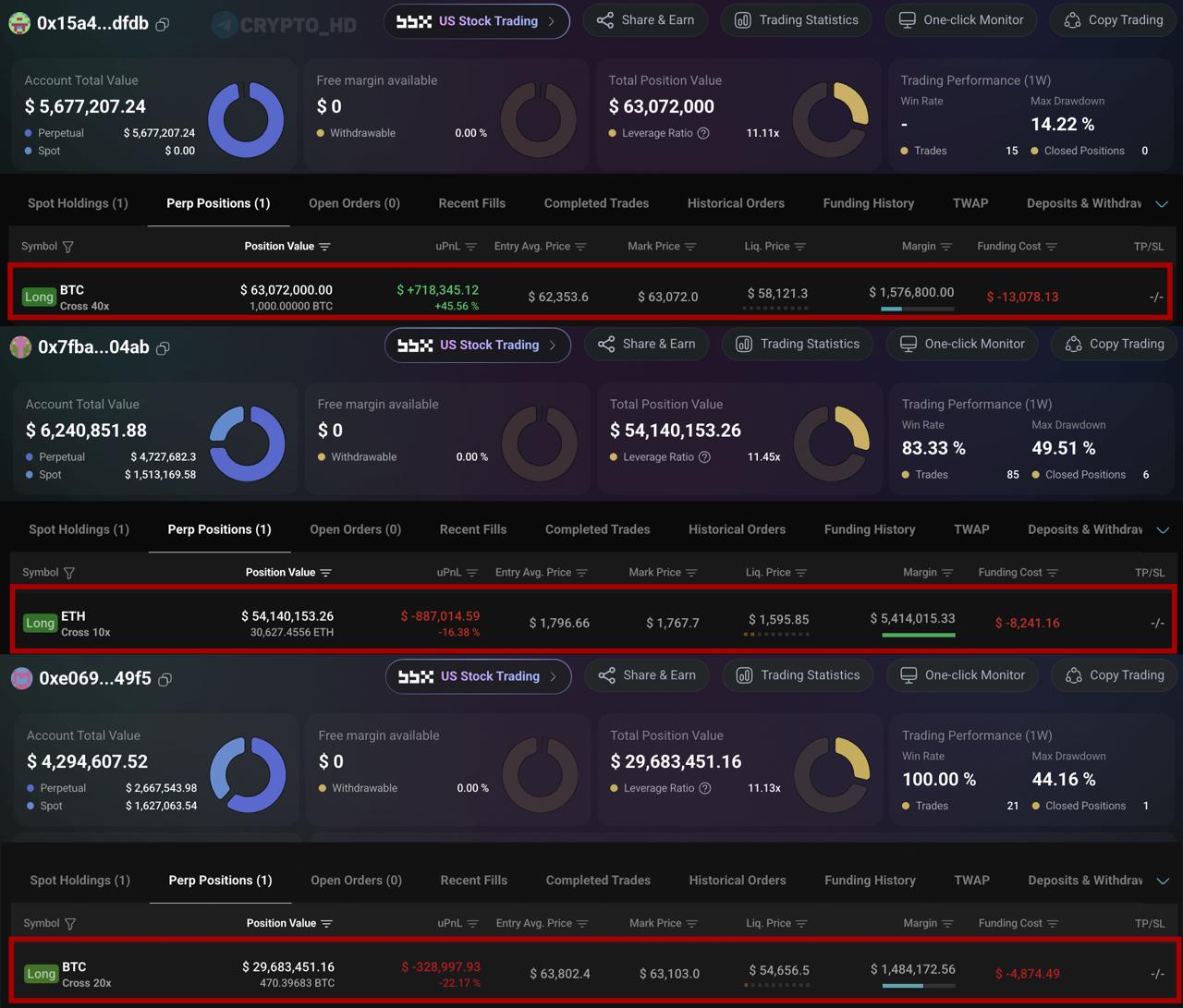
🐳 Whale Alert: Massive Long Positions Signal Strong Bullish Conviction for BTC & ETH | MEXC Analysis
07.07.2026 08:33The Bitcoin Cycle: Analyzing Michael Saylor’s Pattern of Selling for Corporate Needs
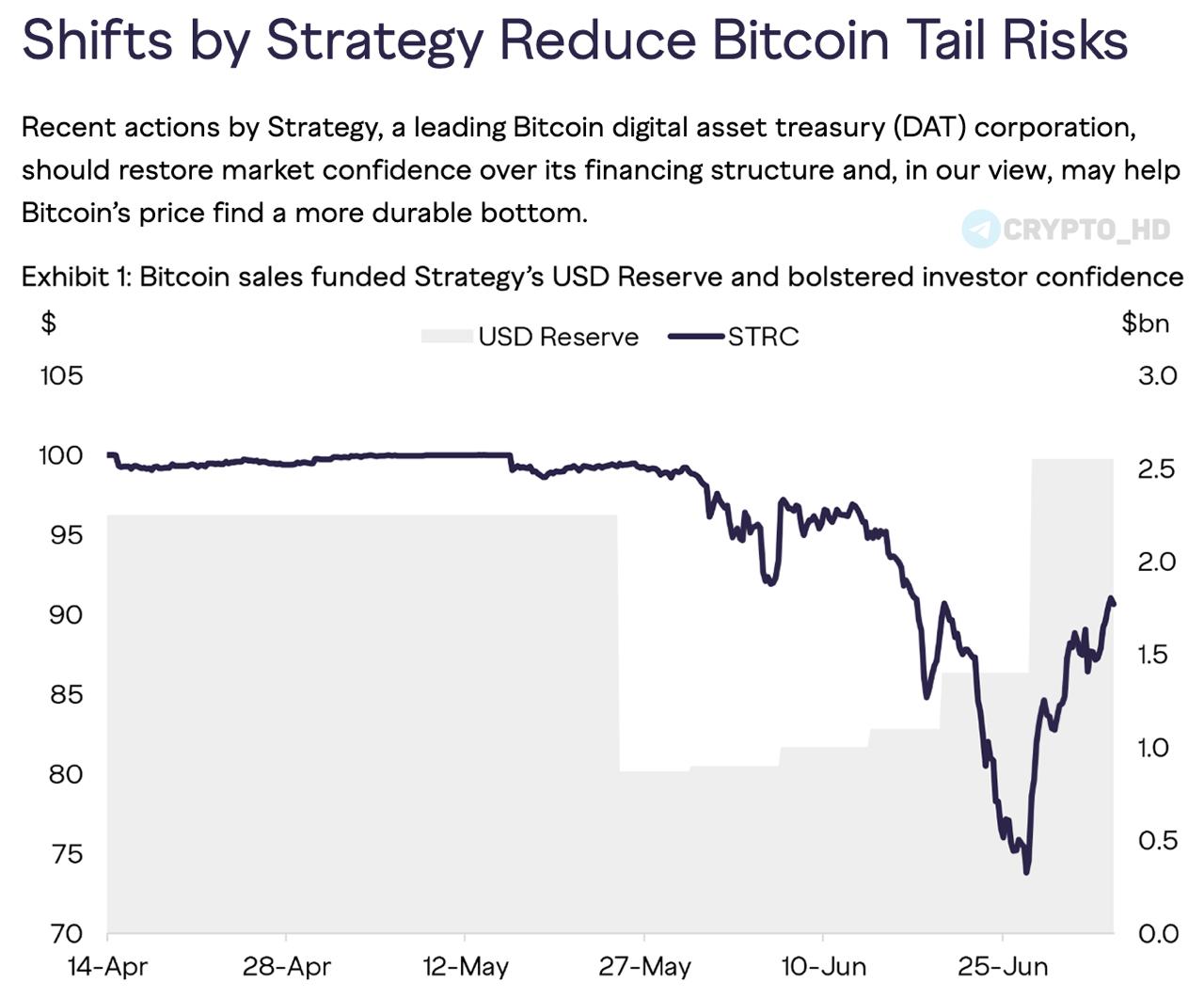
The relationship between corporate finance decisions—specifically the sale of Bitcoin (BTC) by entities like MicroStrategy (MSTR)—and Bitcoin’s overall market cycle is one of the most debated and critical topics in crypto today. The pattern observed, where BTC sales appear to fund dividends or service corporate obligations, raises a fundamental question: Is this cyclical selling a sign of weakness, or is it simply the predictable rhythm of large-cap corporate finance? This analysis dives into Michael Saylor’s historical patterns and what they mean for the future of Bitcoin.
💰 The Historical Pattern: 2022 vs. Future Cycles
The most compelling aspect of this debate is the cyclical nature of these sales. Many observers point to a pattern that seems to repeat itself:
- The 2022 Cycle (Tax-Loss Harvesting): In previous cycles, MSTR’s BTC sales were often framed as necessary tax-loss harvesting or strategic divestment to optimize corporate taxes. These sales helped provide liquidity and contributed to forming a market floor during periods of high volatility.
- The Projected 2026 Cycle (Dividend Funding): Critics are now pointing toward a potential repeat scenario, suggesting that future BTC sales might be necessary to fund dividend payouts or service other financial obligations, similar to how corporate entities manage their capital structure.
This pattern is not inherently good or bad; it simply highlights the constant tension between Bitcoin’s role as a decentralized asset and its use within centralized corporate balance sheets.
⚖️ Centralized Finance vs. Decentralization: The Core Debate
The core debate surrounding these sales boils down to philosophy: Is BTC fundamentally a decentralized, sovereign store of value, or is it merely an asset class whose price is dictated by the quarterly earnings reports and dividend needs of large corporations?
When MSTR sells BTC, they are acting as traditional corporate entities. They are managing risk, optimizing tax positions, and fulfilling shareholder obligations. While these actions provide necessary liquidity for the company, critics argue that such reliance on centralized financial mechanisms undermines Bitcoin’s core value proposition: Bitcoin vs. State Control: Why Decentralization Offers True Financial Freedom. The true strength of BTC lies in its decentralized, permissionless nature.
📉 Analyzing the Impact of Sales on Market Cycles
When large holders sell BTC, it can create temporary price dips and increase market uncertainty. However, history shows that these sales often act as a *catalyst* for the next leg up. The selling pressure forces retail investors to reassess their risk tolerance and provides entry points for long-term capital.
Understanding this cycle is crucial for disciplined trading. It requires looking beyond the daily price action and analyzing the underlying macro trends that support BTC’s value, such as The Macro-Crypto Nexus: Decoding Institutional Moves Amid Global Economic Shifts.
🛡️ The Counterbalance: Institutional Accumulation
Despite the debates and occasional sales, one thing remains consistently bullish: institutional accumulation. Major players like BlackRock continue to demonstrate massive confidence by accumulating BTC and ETH. This persistent, structural demand suggests that large capital flows view Bitcoin not as a cyclical commodity, but as an essential, long-term hedge against global economic instability.
The sheer scale of these institutional purchases dwarfs the temporary selling pressure from corporate finance. For more details on this powerful trend, see BlackRock’s Massive BTC & ETH Accumulation Signals Major Market Shift.
📈 Strategic Takeaways for Traders
For the average investor, this pattern should not induce panic selling. Instead, it should be viewed as a natural part of the asset’s maturity cycle.
- Focus on Fundamentals: Prioritize assets with proven utility and decentralized governance over short-term price action.
- Manage Risk: Be aware that corporate sales can cause temporary dips, but these are often buying opportunities for those with a long-term horizon.
- Use Macro Context: Always view BTC’s price through the lens of global macroeconomics and institutional adoption to determine its true value floor.
The debate between corporate finance and decentralized sovereignty is defining the asset class. By understanding these patterns, traders can position themselves for the next major cycle.
🚀 Ready to Trade in a Mature Market?
To participate in this revolutionary market and execute trades with confidence, you need access to a world-class exchange that supports global trading pairs:
🔗 Trade with Confidence on MEXC: MEXC Referral Link
*Source Material:* Analysis of Michael Saylor’s historical BTC sales patterns and current market commentary.