

The Great Crypto Debate: Analyzing the Institutional Tug-of-War Between Accumulation and Liquidation | MEXC Analysis
06.07.2026 23:38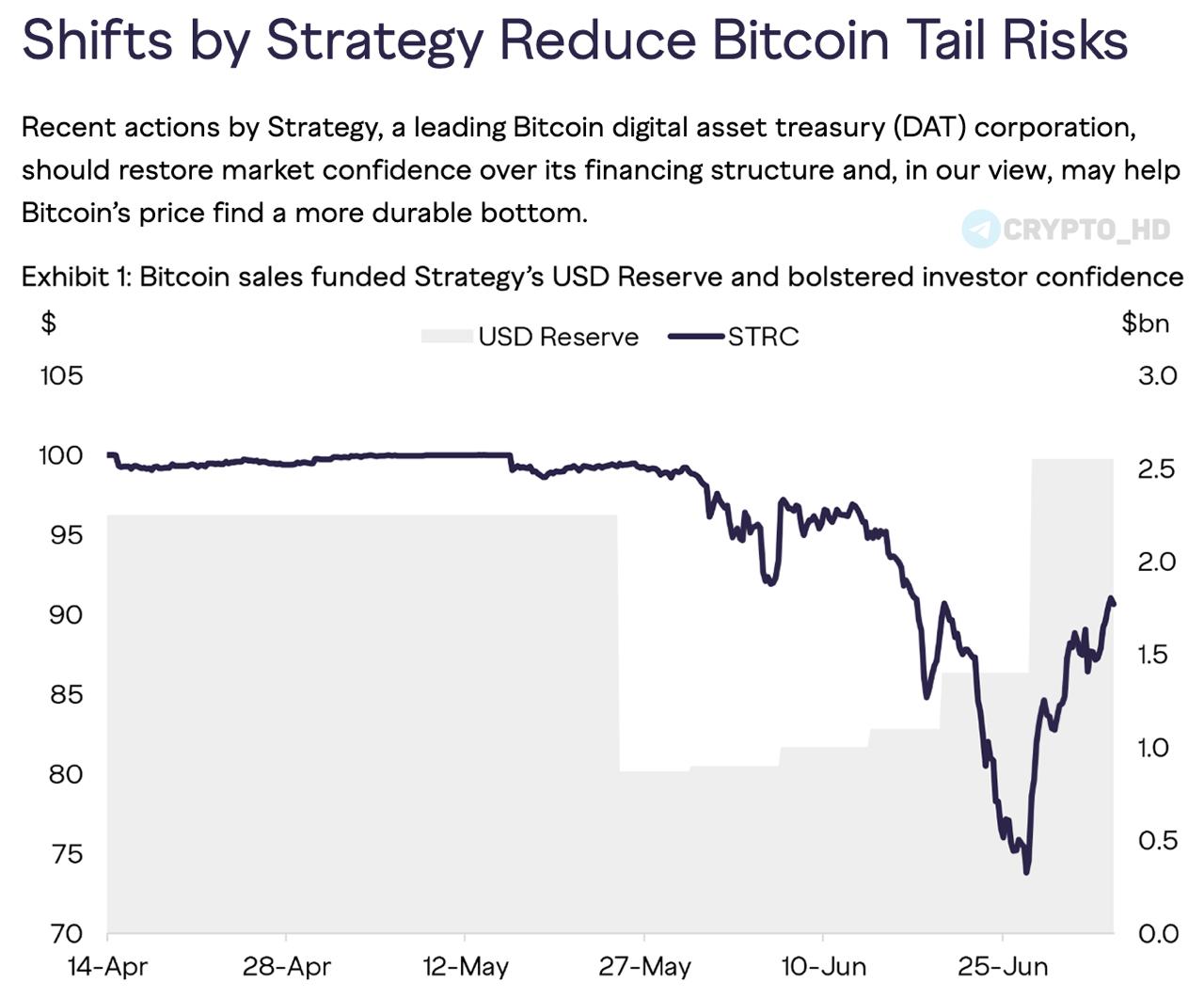
Grayscale Strategy’s BTC Sales: A Sign of Financial Strength or Market Weakness?
07.07.2026 07:39The Cycle of Capital: Analyzing Michael Saylor’s Pattern of Selling Bitcoin for Corporate Needs
Michael Saylor and MicroStrategy (MSTR) have long been viewed as the most prominent corporate advocates for Bitcoin. Their strategy has historically centered on accumulating BTC, treating it as a superior store of value compared to fiat currencies. However, recent sales—first for tax optimization in 2022, and now with concerns about funding future dividends—have reignited one of crypto’s most persistent debates: Is MSTR’s selling pattern a sign of weakness, or is it merely the predictable cycle of corporate finance meeting decentralized assets?
The Two Faces of Corporate Bitcoin Strategy
MSTR’s actions illustrate the inherent tension between pure digital asset accumulation and traditional corporate fiduciary duties. The history shows two distinct patterns:
- Tax-Loss Harvesting (2022): In 2022, MSTR sold BTC to offset losses from other assets, a common tax strategy. This move was seen by many as necessary for optimizing their overall corporate tax liability, which helped form the market floor during a difficult period.
- Dividend Funding (Potential 2026): The current concern is that future sales might be driven not by tax necessity, but by the need to fund dividends or service debt. This shifts the narrative from “asset optimization” to “cash flow management,” which can trigger deeper market skepticism.
The key takeaway for investors is recognizing this difference: a sale due to tax loss is fundamentally different from a sale required to maintain shareholder payouts.
Understanding the Cycle of Sales and Accumulation
Crypto assets, especially Bitcoin, are not immune to traditional financial cycles. The pattern observed with MSTR—selling during periods of high valuation or when cash is needed for other purposes—is a recurring theme in asset management. This cycle forces investors to constantly debate whether the underlying fundamentals (Bitcoin’s scarcity and utility) outweigh the short-term corporate actions.
This analysis connects directly to understanding Bitcoin’s Strategic Cycle: The Dump, the Dumpster Dive, and the Bull Run Theory. These sales are often viewed by analysts as a necessary part of the market cycle—the ‘dump’ phase that precedes the next major accumulation or bull run.
The Fundamental Counterpoint: Why BTC Remains Strong
Despite MSTR’s periodic selling, Bitcoin continues to demonstrate remarkable resilience and institutional adoption. The underlying value proposition remains untouched by corporate balance sheet management. Major financial players are not merely following trends; they are integrating digital assets into their core treasury strategies.
- Institutional Accumulation: The massive accumulation efforts from firms like BlackRock signal that major global capital views BTC as a necessary hedge against geopolitical and fiat currency instability, regardless of MSTR’s short-term sales.
- Global Adoption: Furthermore, the real-world utility of stablecoins on networks like Stellar (XLM) for humanitarian aid proves that blockchain technology is solving systemic problems far beyond speculative trading.
For a deeper dive into how institutional capital views BTC and ETH, check out BlackRock’s Massive BTC & ETH Accumulation Signals Major Market Shift.
Risk Management: Separating Noise from Signal
The constant debate around MSTR’s sales can create significant market noise. It is crucial for traders to maintain a disciplined, fundamental perspective. Short-term price action driven by corporate news or liquidations should never overshadow the long-term structural demand for Bitcoin.
This risk management approach is vital in volatile markets and is best summarized in The Danger of Paid Crypto Trading Signals: A Guide to Risk Management. Always prioritize fundamental analysis over speculative signals.
Conclusion & Call to Action
In summary, MSTR’s sales pattern is less a predictor of Bitcoin’s future price and more a reflection of corporate financial necessity. While the debate continues, the overwhelming evidence points to BTC’s growing acceptance as a global reserve asset. The market is maturing into an era where institutional capital drives value, making disciplined, long-term accumulation the optimal strategy.
To participate in this resilient and rapidly evolving market, you need access to a world-class exchange that supports global trading pairs:
🔗 Start Trading BTC & ETH on MEXC: MEXC Referral Link
*Source Material:* Synthesis of analysis from Crypto Headlines regarding Michael Saylor’s historical and projected sales patterns.