
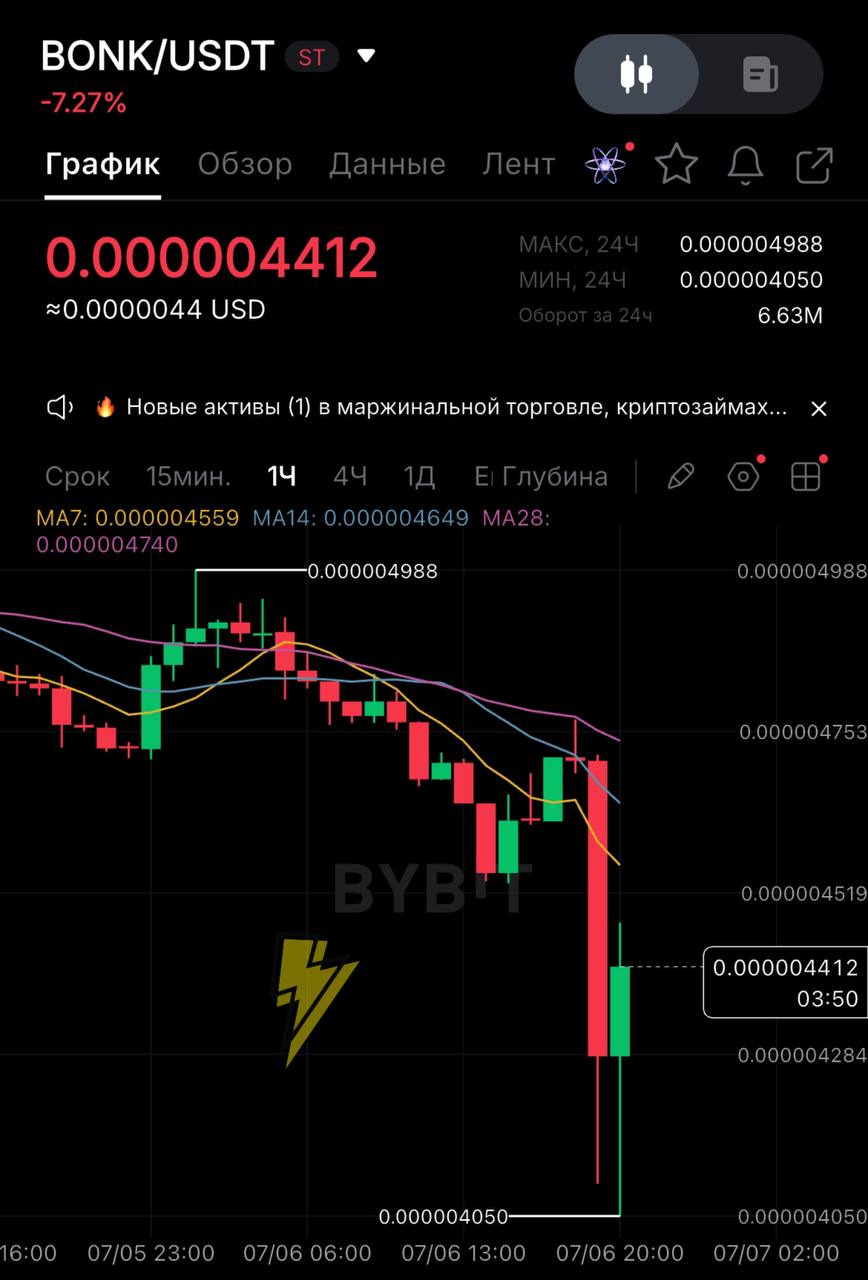
The BonkDAO Hack: A Deep Dive into DeFi Governance Attacks and Security Best Practices | MEXC Analysis
06.07.2026 22:05
The Great Crypto Debate: Analyzing the Institutional Tug-of-War Between Accumulation and Liquidation | MEXC Analysis
06.07.2026 23:38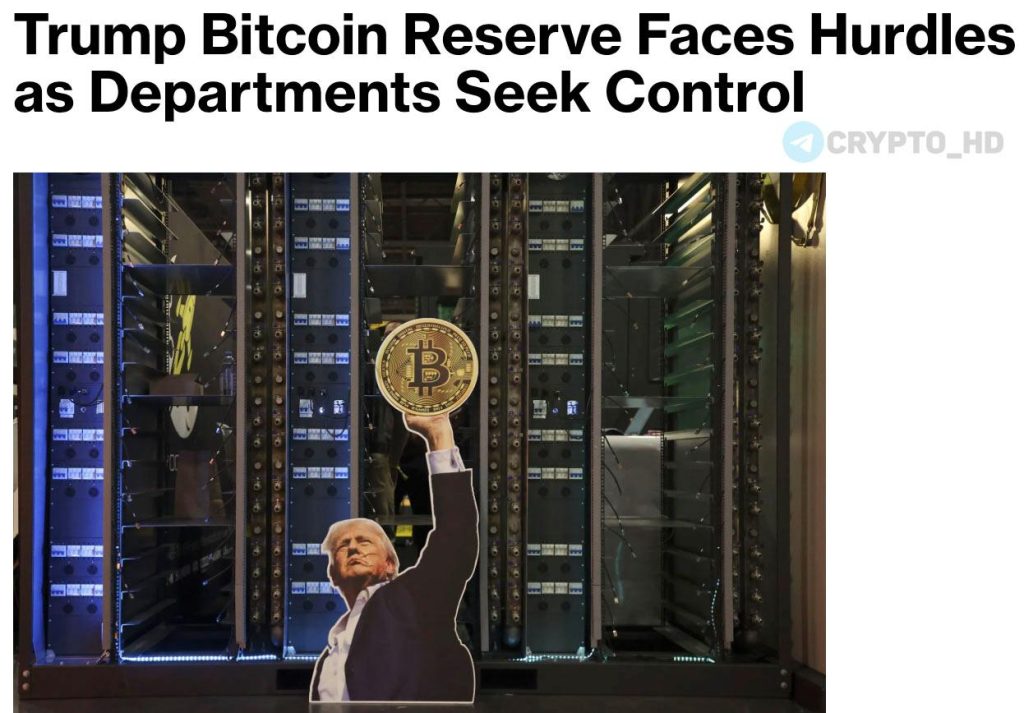
The Battle for Digital Sovereignty: Why US Government BTC Reserves Face Legal Hurdles
Former President Donald Trump’s push to establish a massive, state-controlled Bitcoin (BTC) reserve has ignited a complex legal and bureaucratic battle within the U.S. government. While the goal—cementing America’s status as the global crypto capital by managing its own digital asset stockpile—is clear, the path is fraught with jurisdictional conflicts. The core question remains: which department holds the legal authority to manage these assets indefinitely?
🏛️ The Core Conflict: Treasury vs. Commerce
The initial plan centered on placing the BTC reserve under the Department of the Treasury (Minfin). However, significant doubts have emerged regarding whether this single department possesses the necessary and legally sound mandate to manage digital assets permanently. This jurisdictional ambiguity has led to intense involvement from other agencies.
- Department of Commerce: The Department of Commerce is now being considered as an alternative custodian.
- Department of Justice (DOJ): The DOJ remains actively involved, working with both the Treasury and Commerce departments to find a legally clean solution that satisfies all legal requirements for managing assets acquired through confiscation or new purchases.
This internal struggle is not merely administrative; it speaks to a fundamental tension between modern financial technology and outdated governmental structures. The sheer scale of the potential reserve—estimated by sources like Arkham to be worth over $20 billion in BTC held by the US government—makes this conflict critically important for global finance.
💰 What is at Stake? State-Held Bitcoin Reserves
The assets under discussion are twofold: first, the significant amount of BTC already acquired by the state through confiscations; and second, potential future acquisitions. The goal is to build a strategic reserve that can act as an economic shock absorber, insulating the US economy from geopolitical instability or fiat currency devaluation.
This concept directly challenges traditional financial models. Instead of relying solely on national debt or physical gold—assets whose value is subject to political whims and supply constraints—the state is exploring a decentralized asset that is inherently scarce and borderless. This pursuit of digital sovereignty mirrors the core philosophy discussed in Bitcoin vs. State Control: Why Decentralization Offers True Financial Freedom.
⚖️ The Legal Battleground: Implications for Global Finance
The struggle between departments highlights a critical lesson for the entire crypto industry: legal clarity is paramount. For any digital asset class to achieve mainstream adoption, it must be embraced and regulated by established governmental bodies. This push for legal recognition is arguably the most significant catalyst for institutional adoption.
This regulatory momentum is paralleled by massive private sector accumulation. While government battles play out, institutions like BlackRock continue their steady accumulation of BTC and ETH, demonstrating confidence that transcends political cycles. Their actions confirm that the underlying value proposition of digital assets remains strong, regardless of which department holds the keys.
Furthermore, the global trend toward recognizing crypto’s utility is evident in successful international projects, such as the UNDP/Stellar partnership, proving that decentralized finance can solve real-world problems like humanitarian aid delivery. This success story demonstrates how stablecoins are already powering global development.
📈 Conclusion: The Future of Digital Sovereignty
The battle over the BTC reserve is a microcosm of the entire crypto industry’s journey. It shows that while governments struggle with outdated legal frameworks, the underlying technology and market demand continue to advance rapidly. The ultimate goal—a stable, globally recognized digital asset class—is achievable, but it requires consensus among powerful entities.
For investors, this means focusing on the fundamentals: the scarcity of Bitcoin, its global utility, and the continuous institutional adoption that validates its value. To participate in the market’s most resilient assets and capitalize on these macro trends, you need a reliable gateway to global trading pairs:
🚀 Trade with Confidence on MEXC
Access global markets and participate in the future of digital finance today!
*Source Material:* Synthesis of Bloomberg reporting regarding the US government’s BTC reserve planning and jurisdictional conflicts.