BonkDAO Governance Attack Analysis: What Happened and What Does It Mean for Web3?
06.07.2026 21:49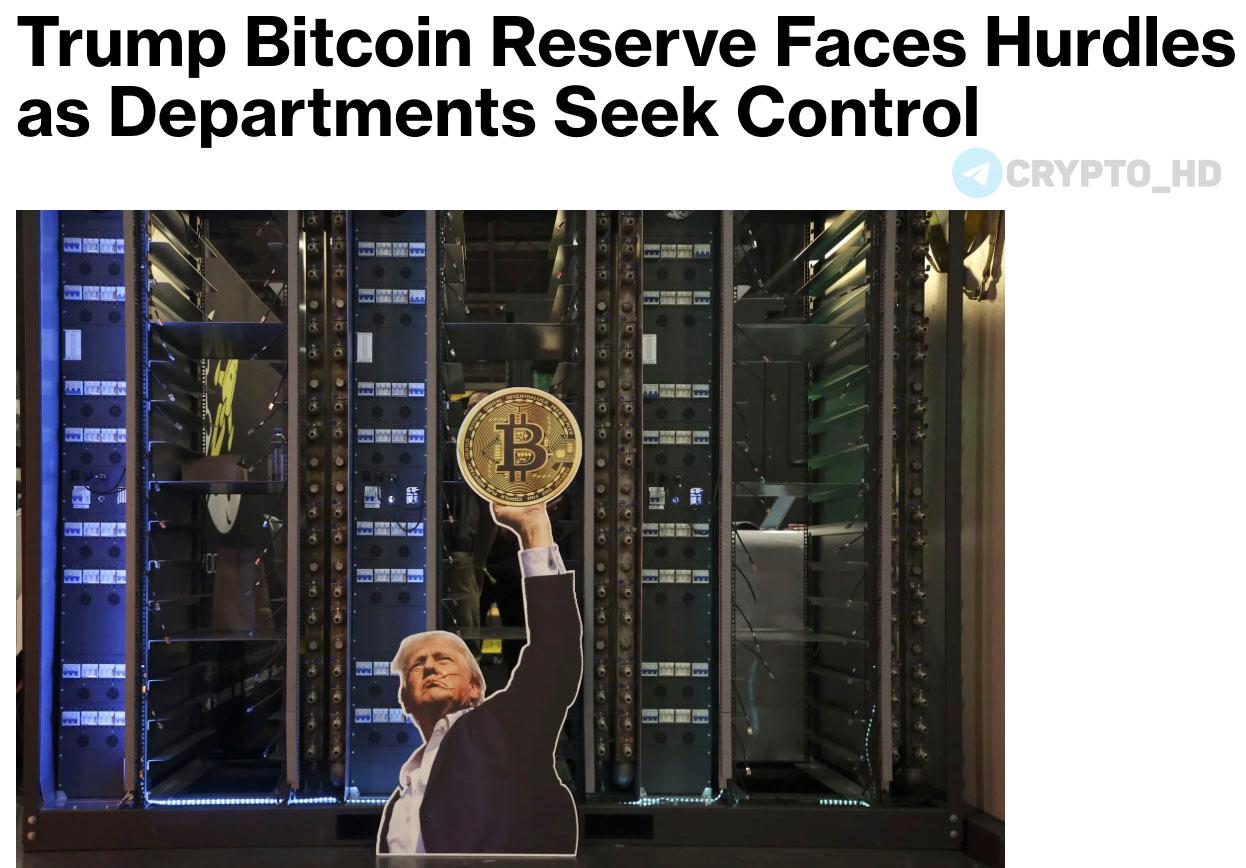
The Battle for Digital Sovereignty: Why US Government BTC Reserves Face Legal Hurdles | MEXC Analysis
06.07.2026 23:02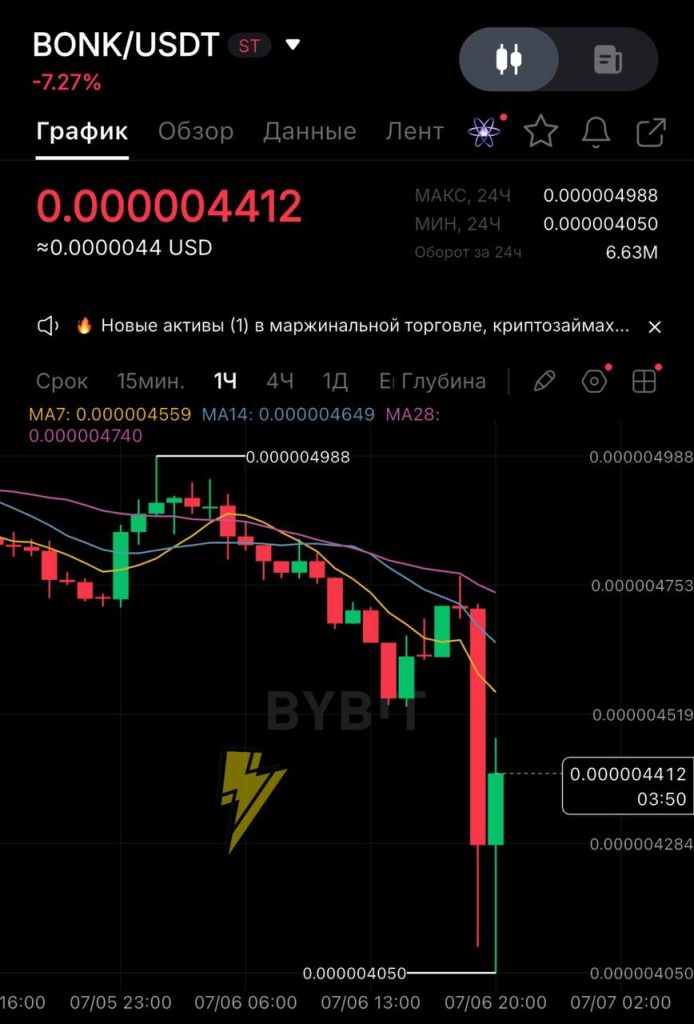
The BonkDAO Hack: A Deep Dive into DeFi Governance Attacks and Security Best Practices
The recent $20 million exploit of the BonkDAO treasury serves as a stark, high-profile warning to the entire decentralized finance (DeFi) ecosystem. This incident underscores a critical vulnerability in modern Web3 architecture: the governance mechanism itself can be weaponized. While the team is actively working with exchanges and the Solana Foundation to recover funds, this hack provides an invaluable case study on how DAOs must evolve their security protocols.
Understanding Governance Attacks: The Mechanism of Exploitation
A governance attack is not a simple code exploit; it is a sophisticated social engineering and economic maneuver. Attackers do not necessarily break the smart contract’s math; instead, they manipulate the **governance mechanism**—the voting process that allows token holders to propose and vote on changes to the DAO’s treasury funds or operational rules.
In the case of BonkDAO, the attackers successfully passed a malicious proposal. This highlights a critical failure point: the governance system was susceptible to manipulation, allowing unauthorized fund withdrawals under the guise of legitimate voting power. As noted by industry experts, these attacks often require only purchasing enough governance tokens to pass a vote, making the attack cheaper than many traditional exploits.
The Vulnerability Landscape in DeFi
This incident is not unique. The Web3 space has seen numerous examples where DAOs have been compromised through governance manipulation (e.g., Beanstalk). These attacks reveal systemic weaknesses that need immediate attention from protocol builders and treasury managers:
- Concentrated Voting Power: If a small number of wallets or entities hold disproportionate voting power, the DAO is vulnerable to collusion or targeted buying campaigns.
- Lack of Time Locks: Many DAOs fail to implement sufficient time delays (time locks) between passing a vote and executing the transaction. This gives attackers a narrow window to act before the community can react.
- Poor Due Diligence on Proposals: Community members must be hyper-vigilant, treating every proposal with extreme skepticism until its security implications are fully vetted by independent auditors.
Mitigation Strategies for Robust DAOs
To prevent future catastrophes, the DeFi industry needs to adopt multi-layered defense mechanisms:
- Implementing Time Locks: All critical proposals should pass through a mandatory time lock (e.g., 48 hours) before execution. This gives the community and security researchers time to audit the malicious intent.
- Quadratic Voting Models: Adopting voting models that dilute the power of single large token holders can make it exponentially more expensive for attackers to gain control.
- Multi-Sig Wallets with Diverse Signatories: Treasury funds should never be controlled by a small, easily compromised group. A multi-signature wallet requiring sign-off from diverse, geographically distributed parties is essential.
Market Context and Investor Takeaways
While the hack itself is devastating for BonkDAO, it provides a crucial lesson for all crypto investors: **security risk is paramount.** This heightened awareness of smart contract vulnerabilities has spurred massive investment into security auditing firms and decentralized insurance protocols. The overall market response to such hacks tends to be a flight toward more battle-tested, audited foundational layers like Ethereum.
Despite the localized damage, the broader crypto market remains resilient. Bitcoin continues to show strength, currently trading at **63,694.83 USDT** with strong 24h volume, indicating that institutional capital is largely unconcerned by single-protocol hacks. This resilience reinforces the long-term thesis of the macro-crypto nexus and Bitcoin’s fundamental value.
For investors looking to participate in the next wave of secure, high-utility assets, understanding risk management is key. We recommend reviewing our guide on the dangers of paid crypto trading signals to ensure your investment strategy is built on solid ground.
Conclusion & Call to Action
The BonkDAO hack was a brutal, real-time education in Web3 security. It serves as a permanent reminder that decentralization requires constant vigilance and sophisticated risk management. The industry must collectively raise its standards for governance protocols to withstand such targeted attacks.
To navigate the complexities of DeFi and participate safely in this evolving market, you need access to a reliable, global exchange with robust security measures. Don’t let fear of hacks deter your long-term strategy. Start building your portfolio on the world’s leading exchange today:
🚀 **Secure Your Trades on MEXC:** MEXC Referral Link
*Source Material:* Analysis of the BonkDAO governance exploit, drawing from reports on DeFi security vulnerabilities and smart contract risk management.
Tags: BonkDAO, Governance Attack, DeFi Security, Web3, Smart Contract, MEXC
Category: Market Analysis